Beautiful Body
Scientific Description & Woman Researcher
Each piece is based on a specific cell or part of the body and honors a woman dedicated to its study. Like the microscopic forms that reveal themselves only through careful attention, these researchers are often overlooked. Yet their work quietly deepens our understanding of life and its intricate beauty.
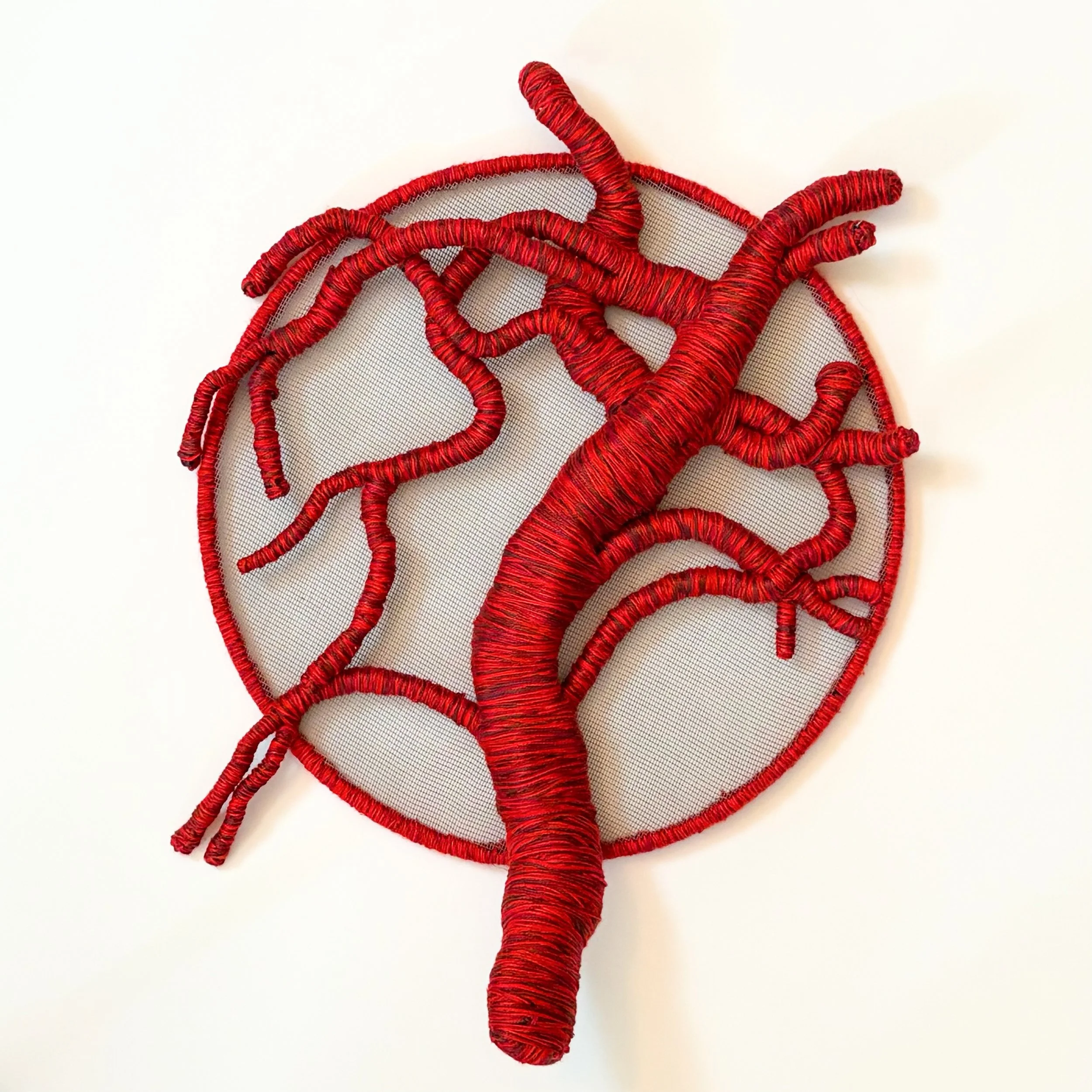
Aorta
The body’s main highway for blood. Carrying oxygen-rich blood from the heart to the rest of you—brain, organs, muscles, everywhere. Thick and elastic, it expands with each heartbeat, handling powerful pressure while maintaining blood flow smoothly through your entire body.
Cardiologist Jane Somerville MD (1933) - Helped establish lifelong care for people born with heart and aortic abnormalities now often called “adult congenital heart disease”. She demonstrated that these structures change over time rather than remain static. Her work emphasized continuity—how childhood anatomy becomes adult responsibility—reshaping cardiovascular medicine to account for aging, adaptation, and survival across an entire lifespan.
She aimed to be a heart surgeon but recognized her lack of dexterity. She then pivoted into cardiology—and then noticed a neglected population: children with congenital heart disease surviving into adulthood.
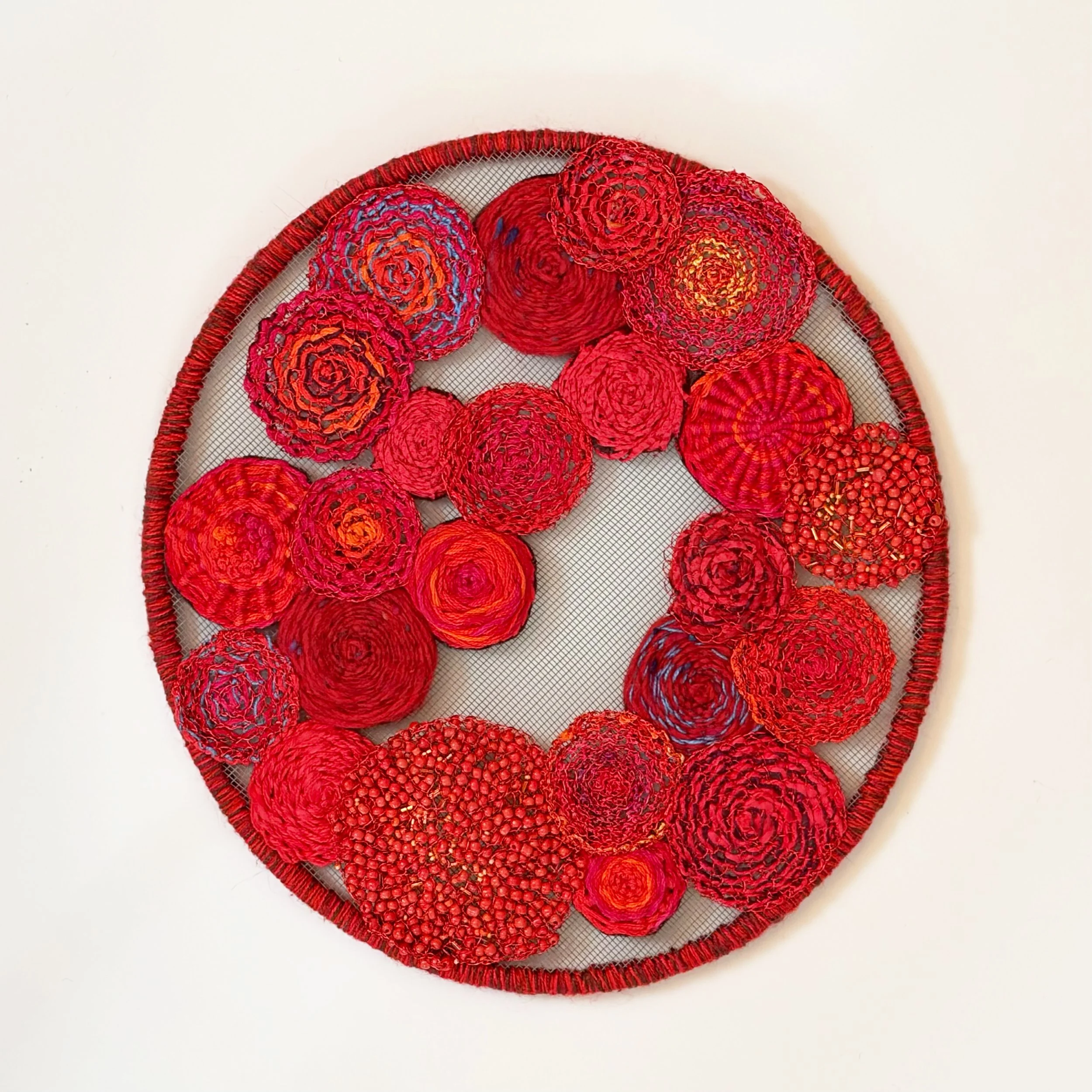
Blood Cells
Red blood cells carry oxygen, white blood cells fight infection, and platelets help stop bleeding. Together, they keep you energized, protected, and repaired—working quietly every second without you ever noticing.
Hematologist Helen Ranney MD (1920 - 2010) - Advanced understanding of how genetic changes affect red blood cells, particularly in inherited blood disorders. She made significant contributions to research on sickle-cell anemia that helped push hematology toward modern molecular medicine - showing how microscopic alterations ripple outward into fatigue, pain, and survival - making visible the intimate connection between genetics and lived bodily experience. Early identification of genetic factors underlying sickle cell disease.
She rose from early barriers for women in medicine to become a “many firsts” hematologist; her trajectory combined clinical medicine with molecular thinking about blood disorders.
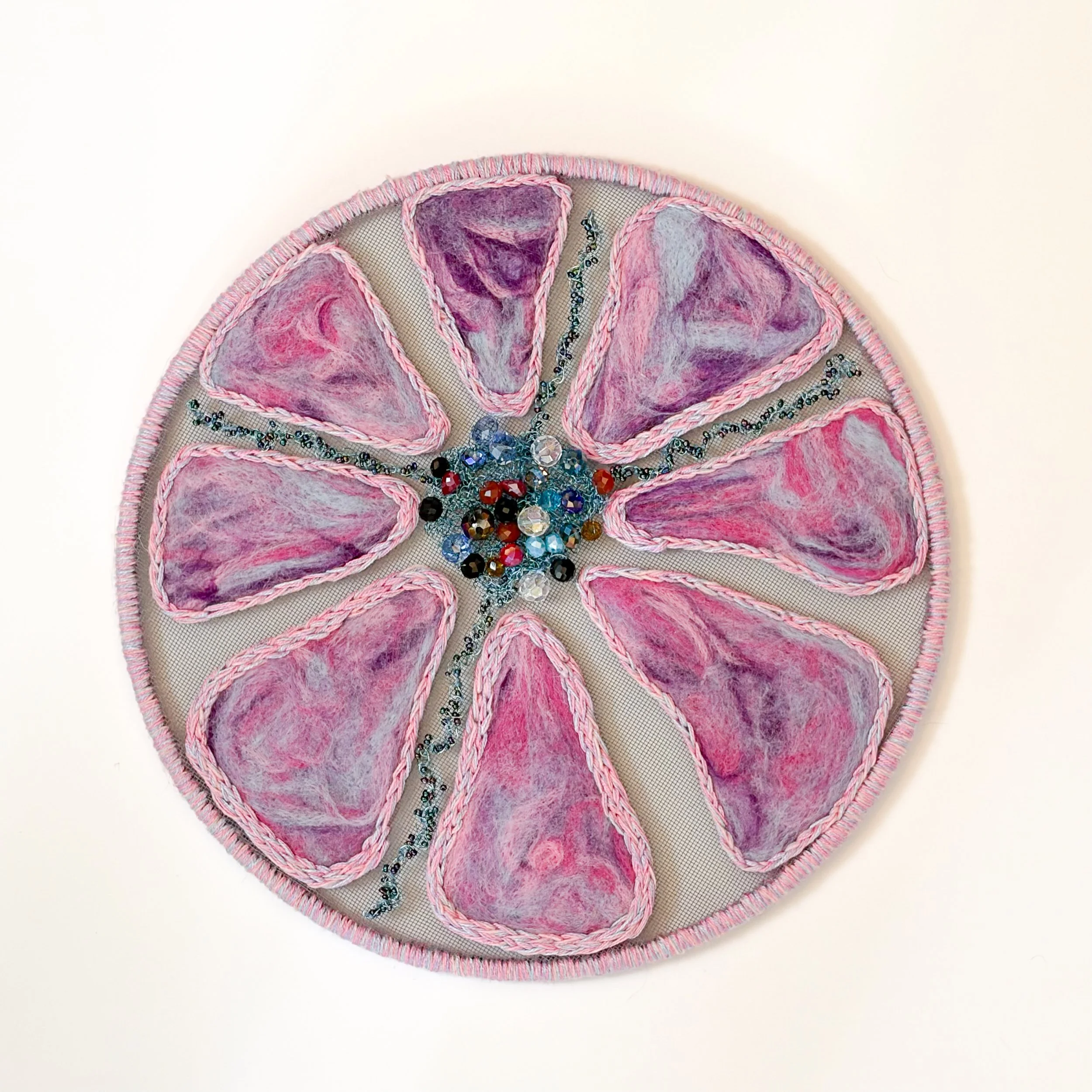
Breast Cross Section
A complex network beneath the surface—lobules that produce milk, ducts that carry it, supportive fat, and connective tissue. It’s a functional, living structure designed for nourishment, hormone response, and sensitivity, all working together in remarkable balance.
Geneticist Mary-Claire King PhD (1946) - Transformed breast cancer research by identifying the BRCA1 gene, demonstrating that cancer risk can be inherited. Her work reframed breast cancer from a purely sporadic illness into one connected to family history and cellular repair. This discovery changed screening, prevention, and how individuals understand risk passed quietly through generations.
As a geneticist she was drawn to big, real-world questions—how inheritance shapes disease risk. In addition she applied genetics to identify missing persons and reunite families. She also demonstrated that humans and chimpanzees are 99% genetically identical.
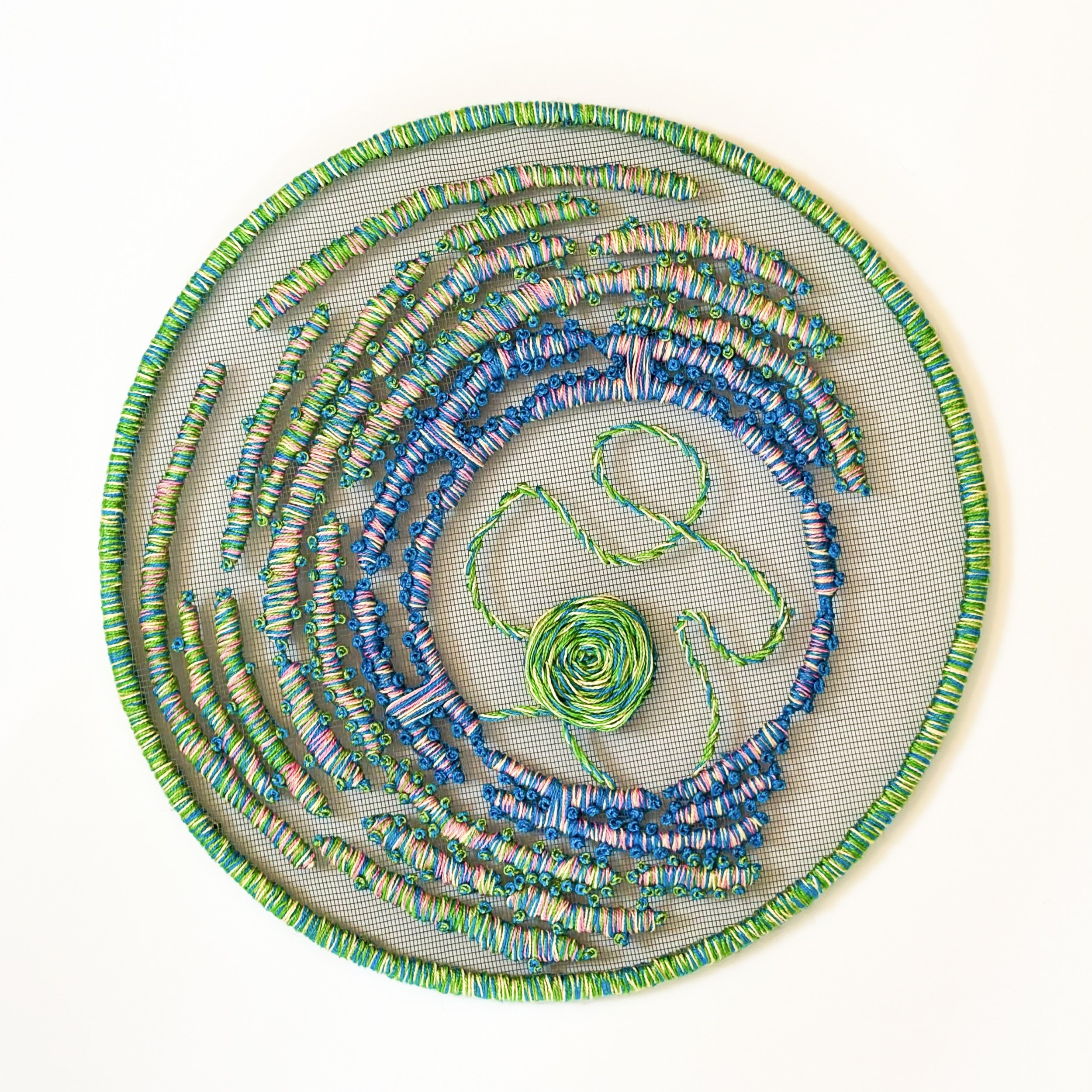
DNA Cross Section
The inner ladder of life. Twisted into a double helix, DNA carries genetic instructions in every cell. It tells your body how to grow, repair, and function. These microscopic patterns shape everything from eye color to how cells behave.
Physical Chemist Rosalind Franklin PhD (1920-1958) - Used X-ray diffraction to reveal DNA’s structural patterns, providing critical evidence for its double-helix form. Her work demonstrated how invisible molecular order underlies all growth, repair, and inheritance. By making DNA visible through diffraction, she bridged physics and biology, showing that life’s complexity rests on elegant, repeating structure.
Her expertise in crystallography, which brought her acclaim for research on coal and viruses, was crucial to identifying the backbone and helical structure of DNA. Although her work was appreciated in her lifetime, Franklin's contributions to the discovery of the structure of DNA were largely unrecognized during her life, for which Franklin has been variously referred to as the "wronged heroine”, the "dark lady of DNA”
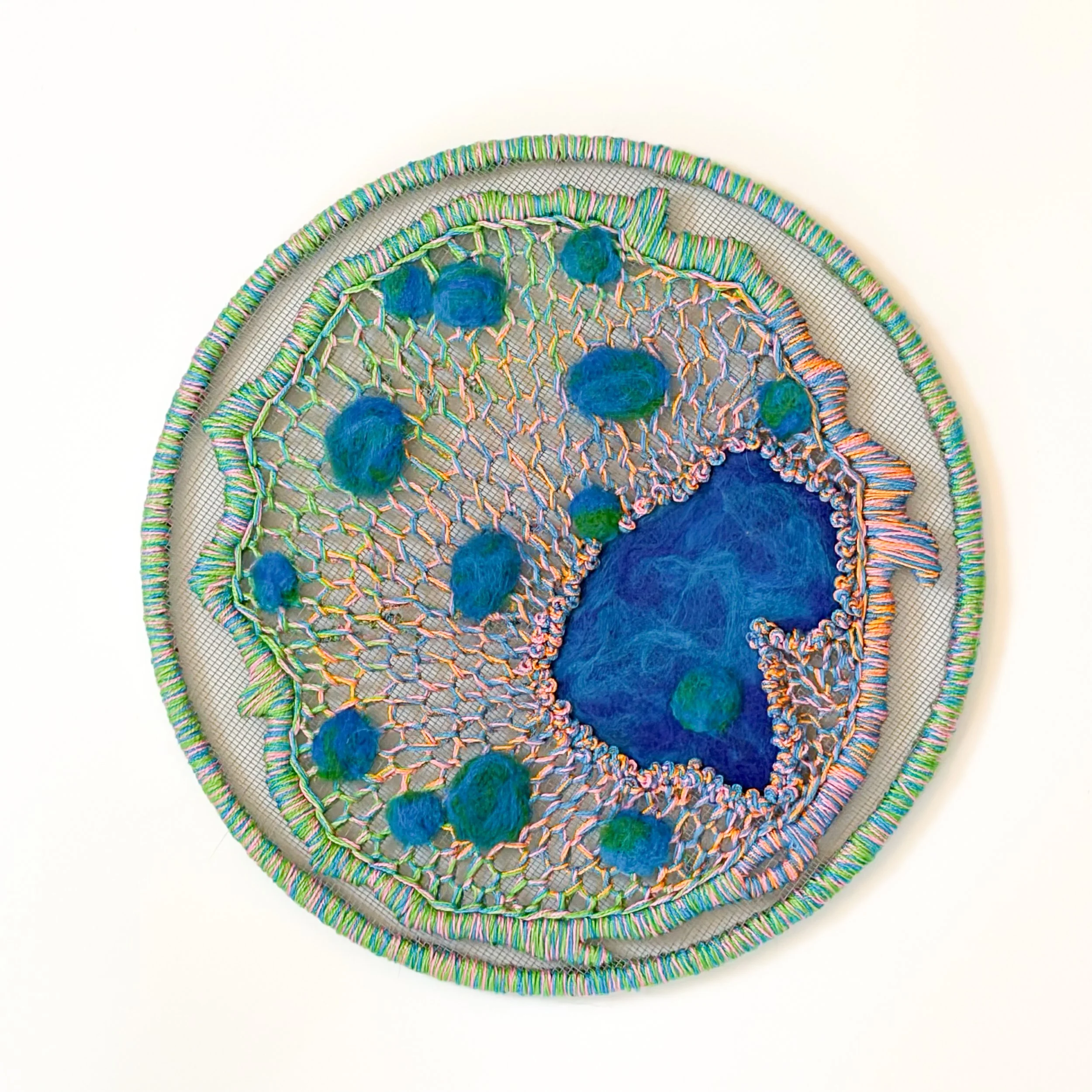
Eosinophil
A type of white blood cell that helps fight parasites and plays a role in allergies and asthma. When your immune system reacts strongly—like during seasonal allergies—eosinophils step in, sometimes contributing to inflammation along the way.
Allergist Jenny Huang MD -
Studied how eosinophilic GI disorders (like EoE) impact women's health and pregnancy, leveraging her own experience. Because the disease course of eosinophilic esophagitis during pregnancy is not well understood, Huang and her colleague, Andrew A. White, MD, sought to characterize the symptoms and treatment of patients with EoE before, during and after pregnancy
A few years ago, she was diagnosed with eosinophilic gastritis. Going through the diagnosis and having the disease altered my life and shaped my clinical and research interests
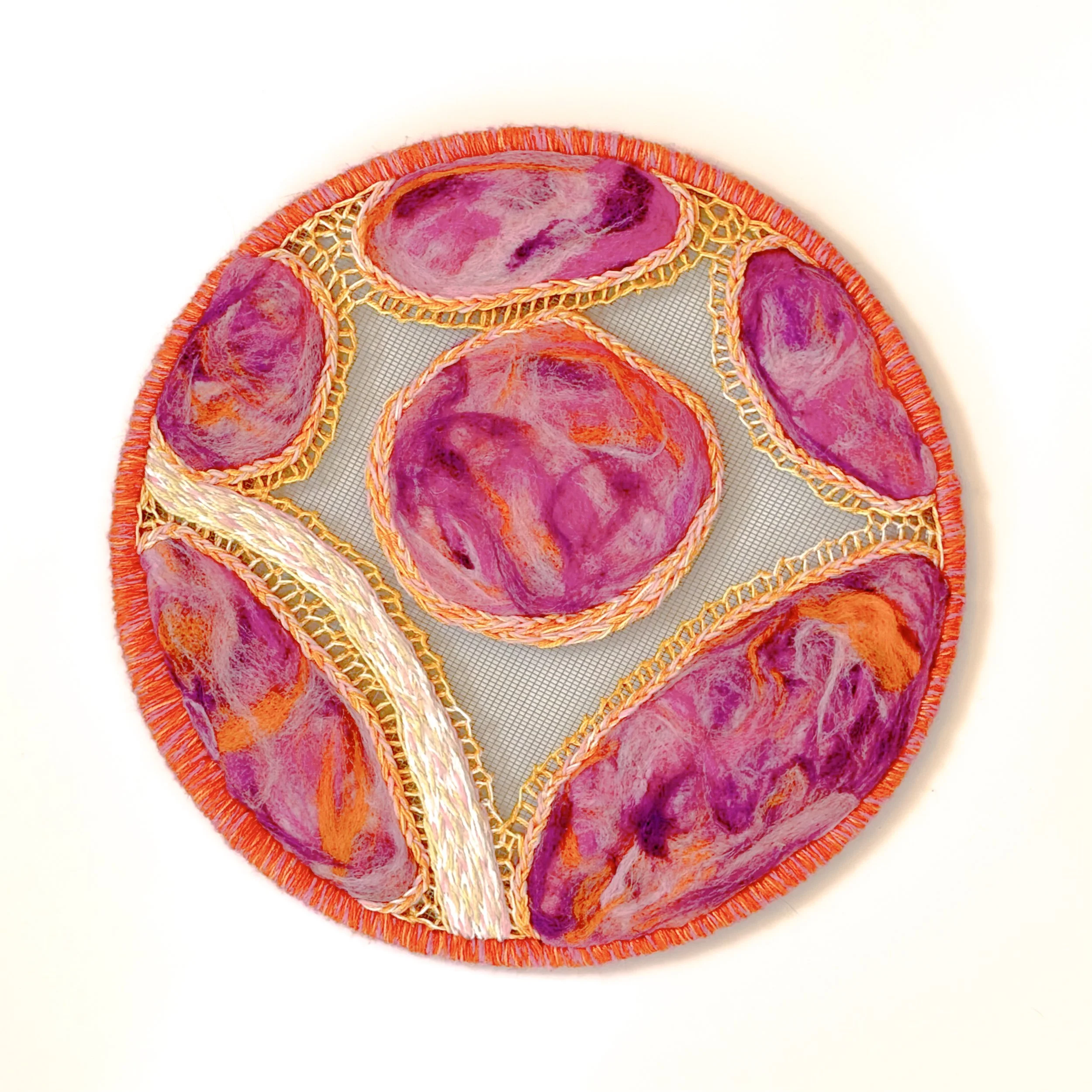
Fat Cells
Fat cells, or adipocytes, store energy for later use. They cushion organs, help regulate hormones, and insulate your body. Far from being passive storage, fat tissue actively communicates with other systems, influencing metabolism, hunger, and overall balance in surprising ways.
Professor Rose Epstein PhD (1918 2015) - Discovered that low body fat (under 17%) could cause infertility, late menarche and infrequent periods.
Largely ignored in the predominately male system, Dr. Frisch was able to avoid the confines of a tenure track career and pursue her hypotheses unimpeded. As she once noted, an older woman talking about menstrual cycles in largely male conferences wasn’t well-received. Her discovery of the link between fat and fertility is the foundation of ongoing fertility studies, has lead to the discovery of a link between early athleticism and cancer, and has offered dramatic, long reaching implications for how systemic malnutrition across the world should and could be addressed.
After receiving her PhD she became a human computer for the Manhattan Project
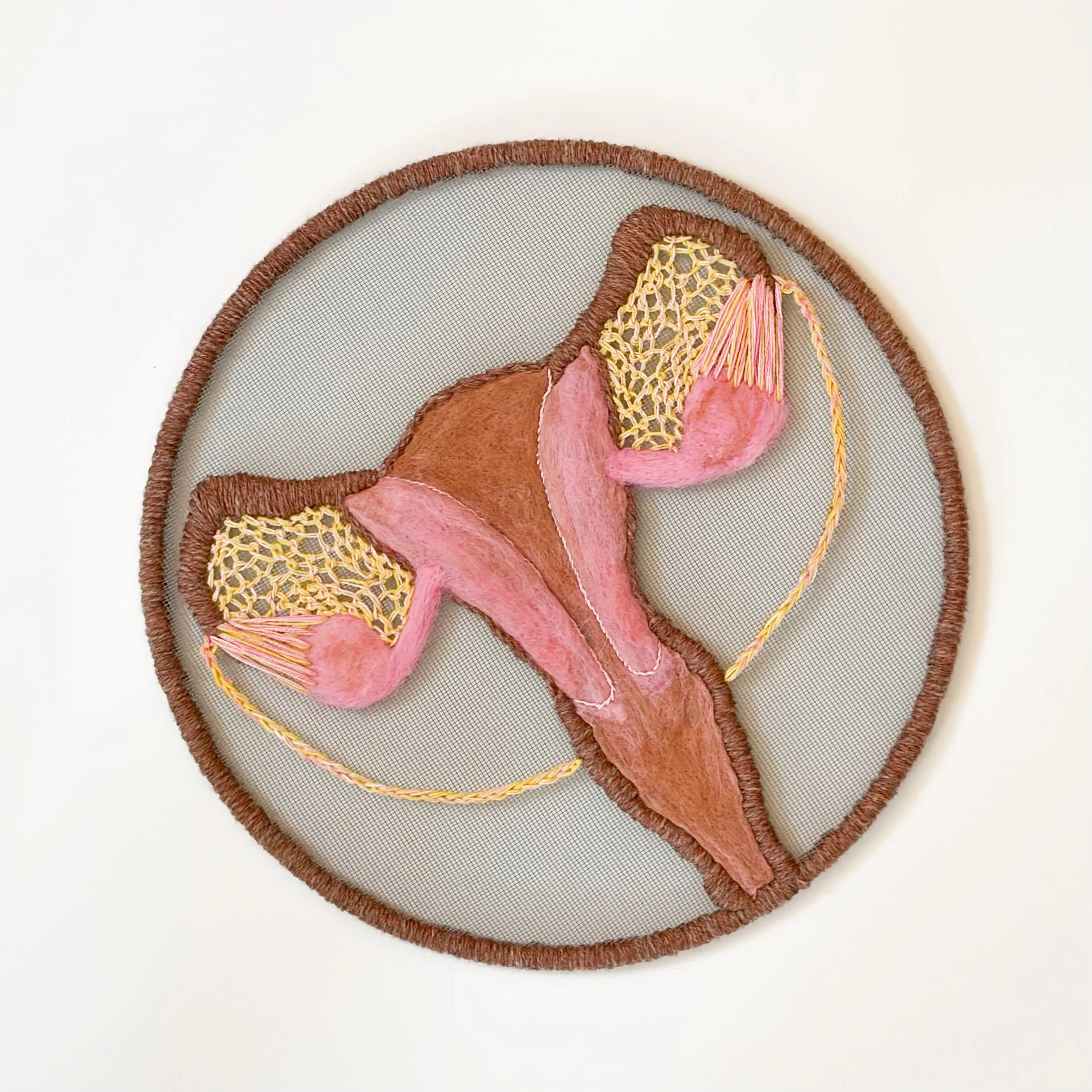
Female Reproductive System
Includes the ovaries, fallopian tubes, uterus, and vagina. It produces eggs, supports fertilization, and can nurture a developing baby. Guided by hormones, it cycles monthly, responding to signals that coordinate reproduction, health, and overall well-being.
Nurse and Sex Educator Margaret Sanger RN (1879 - 1966)- American birth control activist, sex educator, writer, and nurse. She opened the first birth control clinic in the United States, founded Planned Parenthood, and was instrumental in the development of the first birth control pill. Sanger is regarded as a founder and leader of the birth control movement.
Sanger was a first-wave feminist and believed that women should be able to decide if and when to have children, leading her to campaign for the legalization of contraceptives. She was the founder of Planned Parenthood.
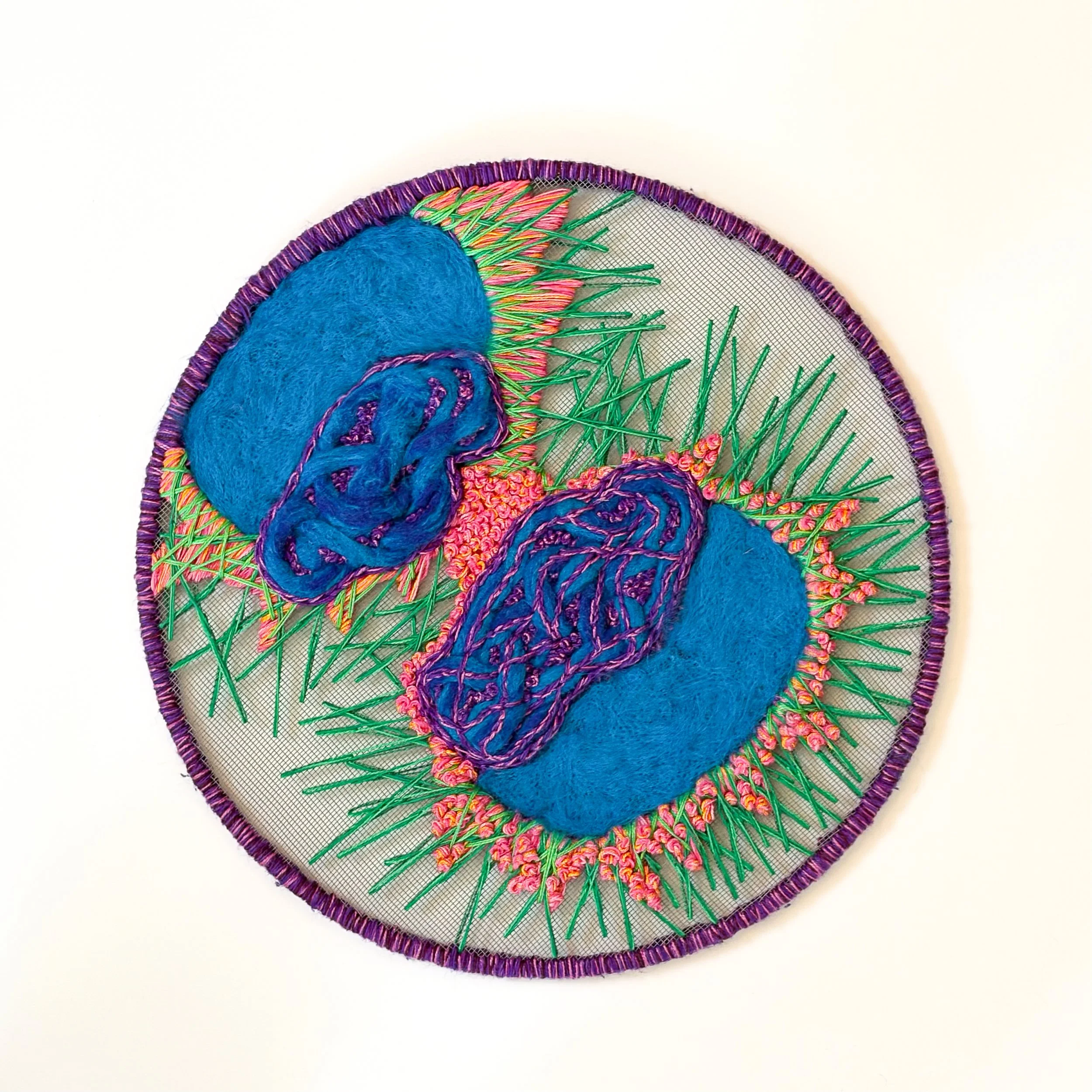
HeLa Cells
A line of human cells first taken in 1951 from Henrietta Lacks. Unlike most cells, they can divide endlessly in the lab. They’ve been crucial in medical breakthroughs, from vaccines to cancer research, shaping modern science in profound ways.
Cancer Patient Henrietta Lacks (1920 - 1951) -
In 1951 her cells from a cervical tumor were collected. These cells became the first human cells able to divide indefinitely in laboratories. Their use transformed biomedical research, enabling discoveries in cancer, vaccines, and genetics. HeLa cells embody both scientific progress and ethical tension, reminding us that scientific advancement is inseparable from human stories and consent.
Henrietta Lacks — wasn’t a scientist; she was a patient receiving cervical cancer treatment Her tumor cells became - HeLa - , the first widely used “immortal” human cell line. To date over 50 million tons of HeLa cells have been produced.
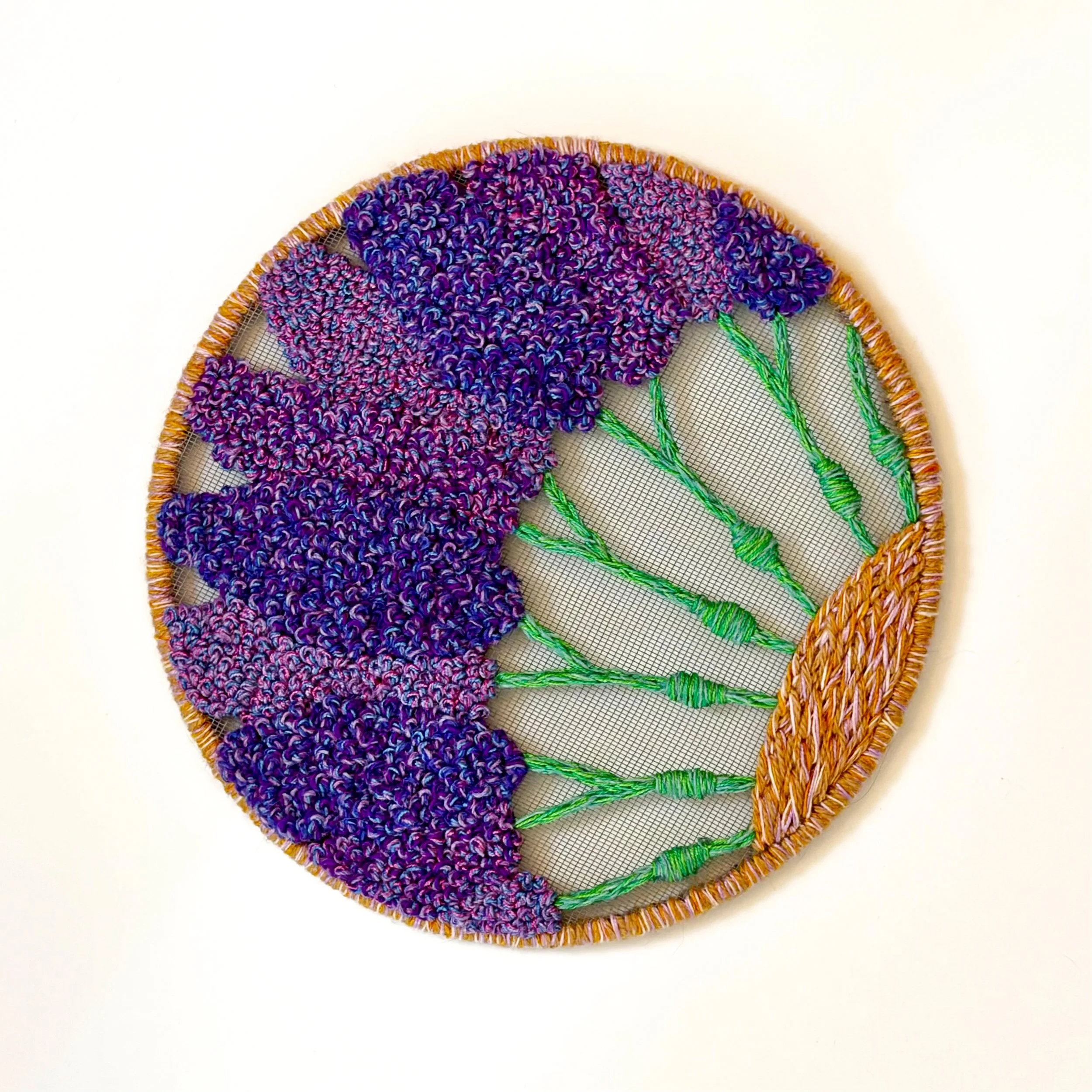
Mammary Glands
Milk-producing structures within the breast. During pregnancy and after birth, hormones stimulate them to produce and release milk through ducts. They’re highly responsive to hormonal changes, shifting in structure and activity throughout different life stages.
Physiologist and Cell Biologist Benita S. Katzenellenbogen PhD (1945) - Advanced understanding of hormone action (like estrogen) in breast cancer, influencing anti-hormone therapies.
Her father was a patent attorney and her mother was a school teacher in New York. She attended public schools and did her undergraduate training in biology.
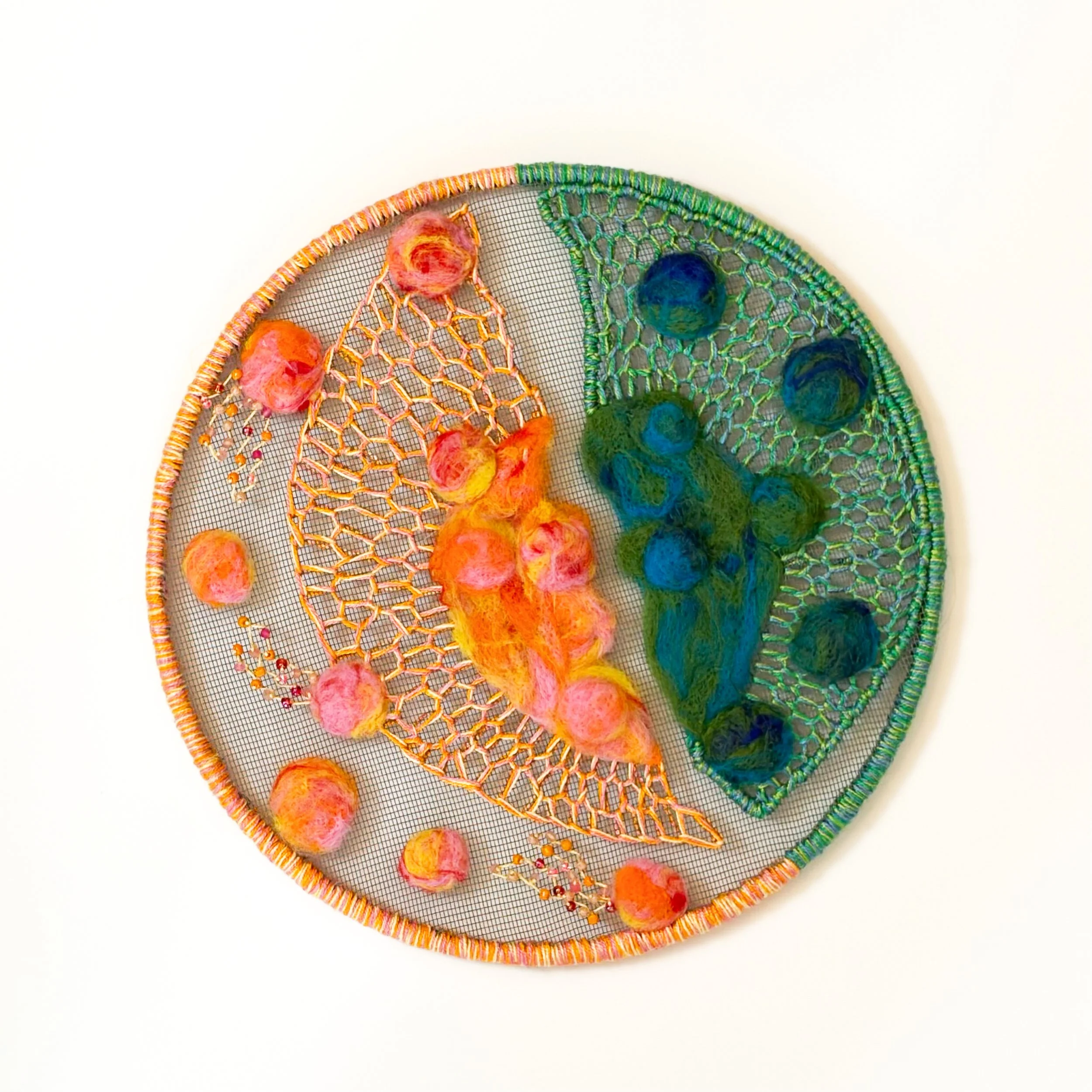
Mast Cell
Immune cells involved in allergic reactions. When triggered, they release histamine and other chemicals that cause swelling, itching, or redness. While essential for defense against threats, they can overreact, leading to symptoms like hives or asthma.
Researcher Marianna Kulka PhD - Interested in how biomaterials and nanomaterials can be used to manipulate immune responses such as inflammation. Understanding the mechanisms underlying allergic inflammation that lead to pseudo-allergic inflammation and adverse drug reactions.
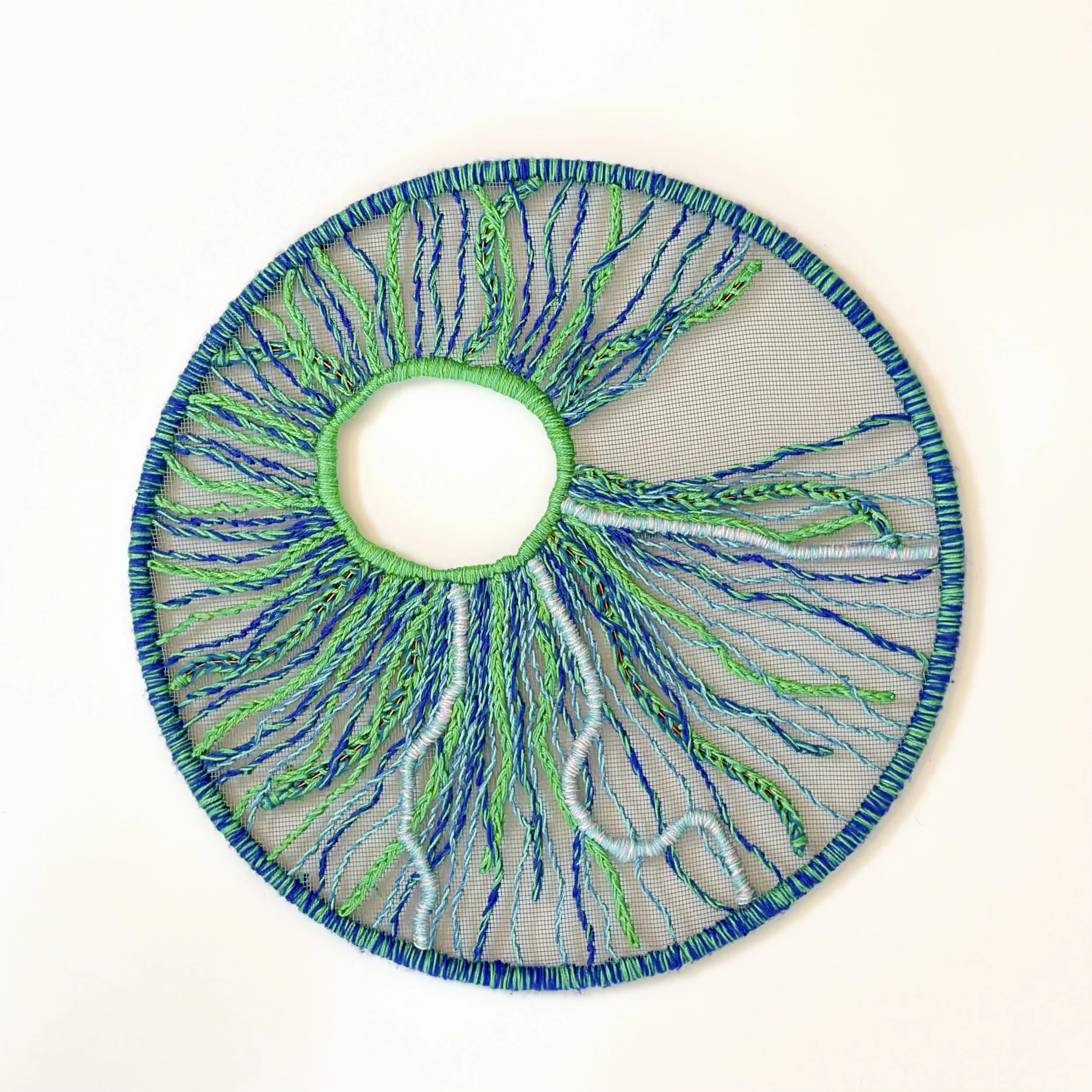
Neuron
A nerve cell that carries electrical signals throughout the body. With branching dendrites and a long axon, it communicates rapidly with other cells. Neurons allow you to think, feel, move, and remember—forming the foundation of your nervous system.
Neuroscientist Rita Levi-Montalcin MD (1909–2012) - Is a joint 1986 Nobel Prize in Physiology or Medicine, with Stanley Cohen for their discoveries of nerve growth factors (NFG). She transformed our understanding of these cells by discovering nerve growth factor, a substance that allows neurons to survive and connect. Her work revealed that the nervous system is not fixed at birth but shaped continually by growth signals, experience, and repair—an idea that reshaped neuroscience and our understanding of resilience in the brain.
Trained as a physician in Italy, she then pursued research on how the nervous system develops—even continuing her work under persecution during WWII, which shaped her stubborn, experimental style.
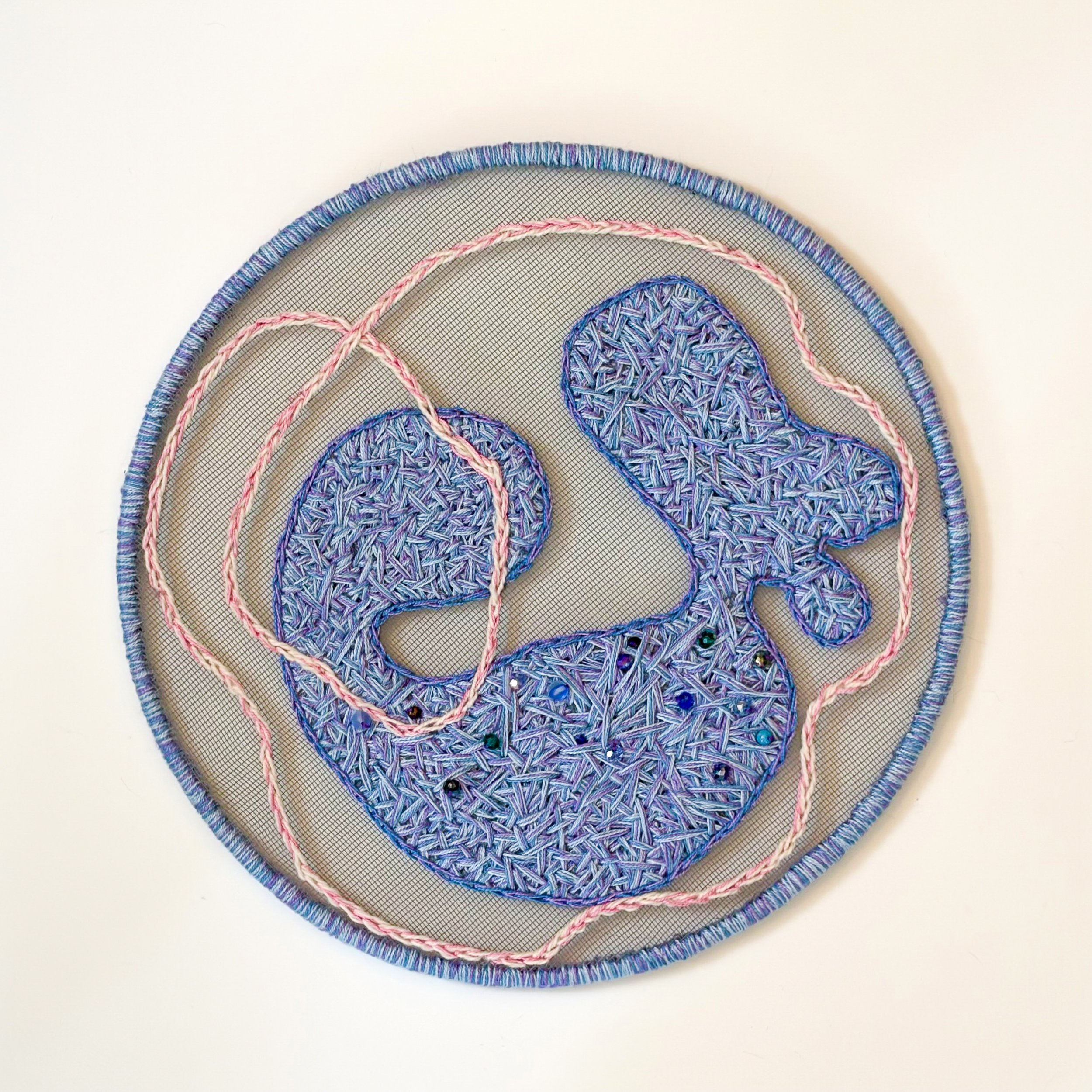
Neutrophil – Female
The most abundant white blood cell and one of the first responders to infection. It engulfs bacteria and releases enzymes to destroy invaders. In females, as in all people, neutrophils are essential to quick, frontline immune defense.
Researcher Dr. Veronique Witko-Sarsat - Discovered that neutrophils are not just antibacterials. They are also immune modulators! And in cystic fibrosis, neutrophils have abnormalities that make them supply oxidants, which maintain harmful inflammation in patients.
Her success as a researcher is working with and sharing information with other researchers to further knowledge of neutrophils.
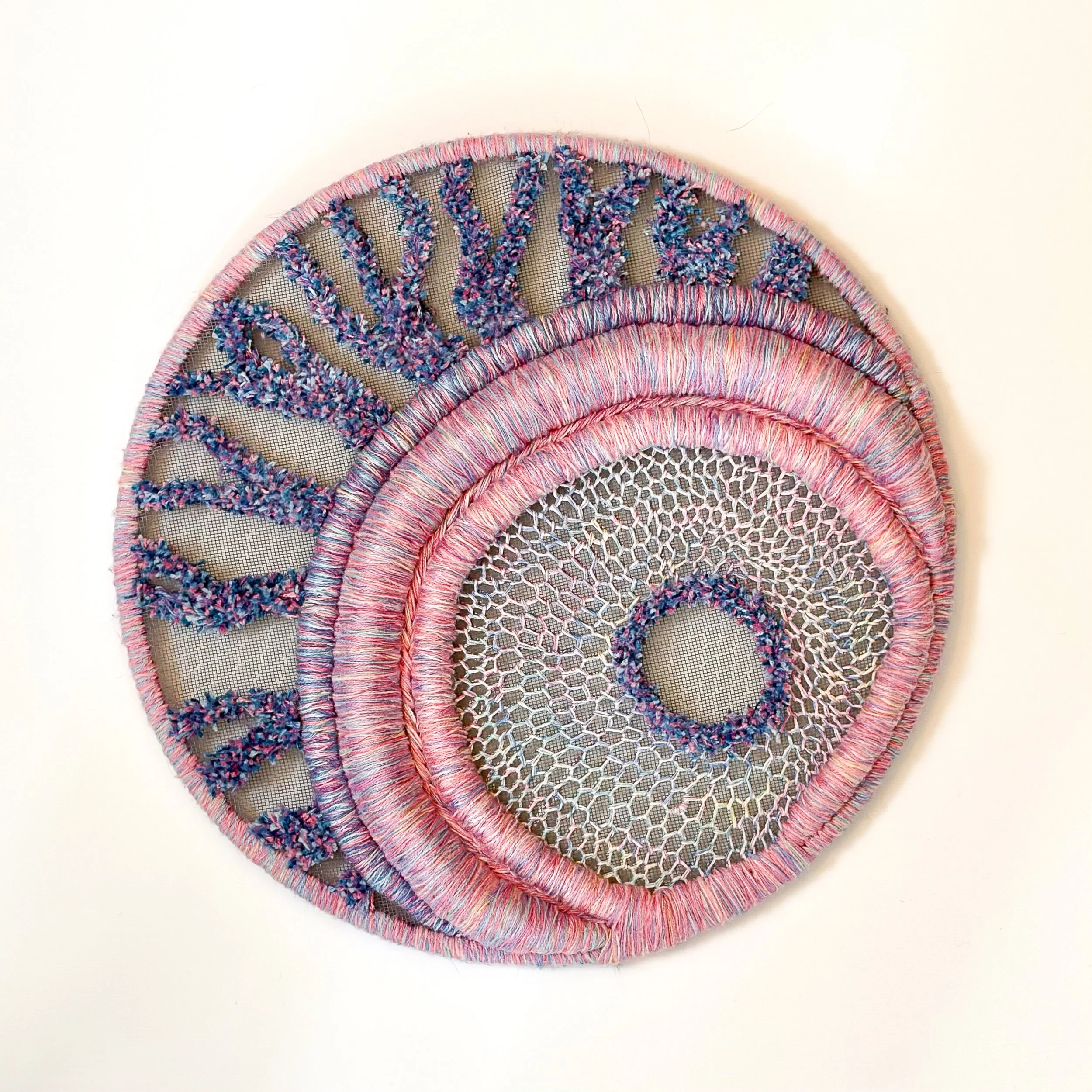
Ovum
An egg cell, is the largest cell in the human body. Released from the ovary during ovulation, it carries half the genetic material needed to form new life. If fertilized, it begins the remarkable process of embryonic development.
Researcher Miriam Friedman Menkin MS (1901 - 1992) -
Famous for her in vitro fertilization (IVF) research with John Rock. In February 1944. She became the first person to conceive human life outside of the body.
She graduated with an undergraduate degree in histology and comparative anatomy and then intended to go to medical school. However, women were rarely admitted to medical school at the time and she was not accepted. She finished the Harvard Ph.D. requirements two separate times but did not receive a degree because she could not afford the course fees.
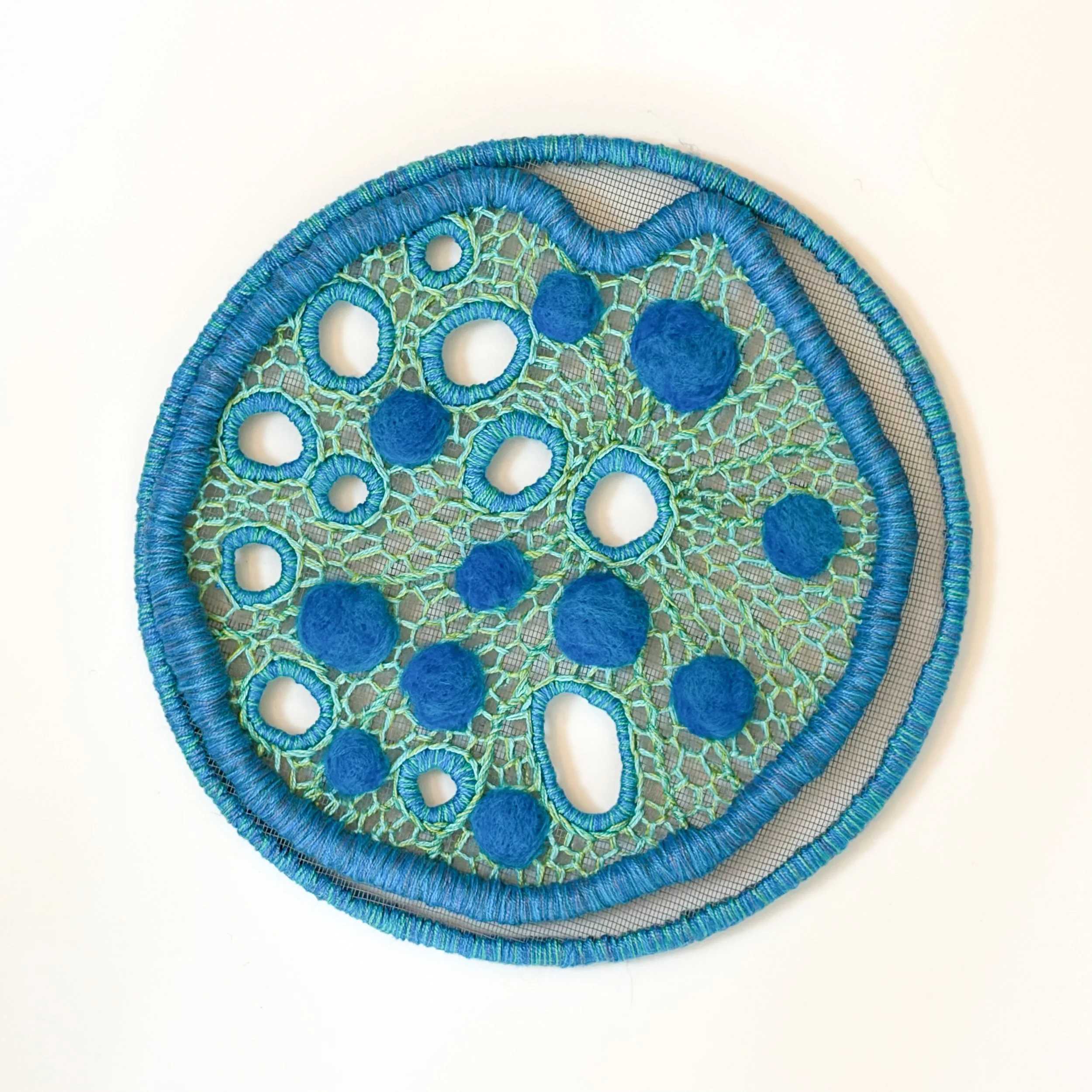
Platelet
Tiny cell fragments that help stop bleeding. When a blood vessel is damaged, they rush to the site, stick together, and form a plug. They also release signals that trigger clotting, preventing excessive blood loss after injury.
Researcher Marian Packham PhD (1927 2020) - Current research focuses on epigenome and transcriptome remodeling with aging in vertebrates, how these changes interact with overlooked cues such as biological sex, and the roles that these changes can play in the aging process. - was a trailblazer in platelet research, publishing extensively on their biochemistry, physiology, and pathology From 1996 to 2003 her research examined the biochemistry and physiology of blood platelets and their role in hemostasis and arterial thrombosis.
Packham worked part-time in the Department of Biochemistry at the University of Toronto for eleven years, while raising her children.
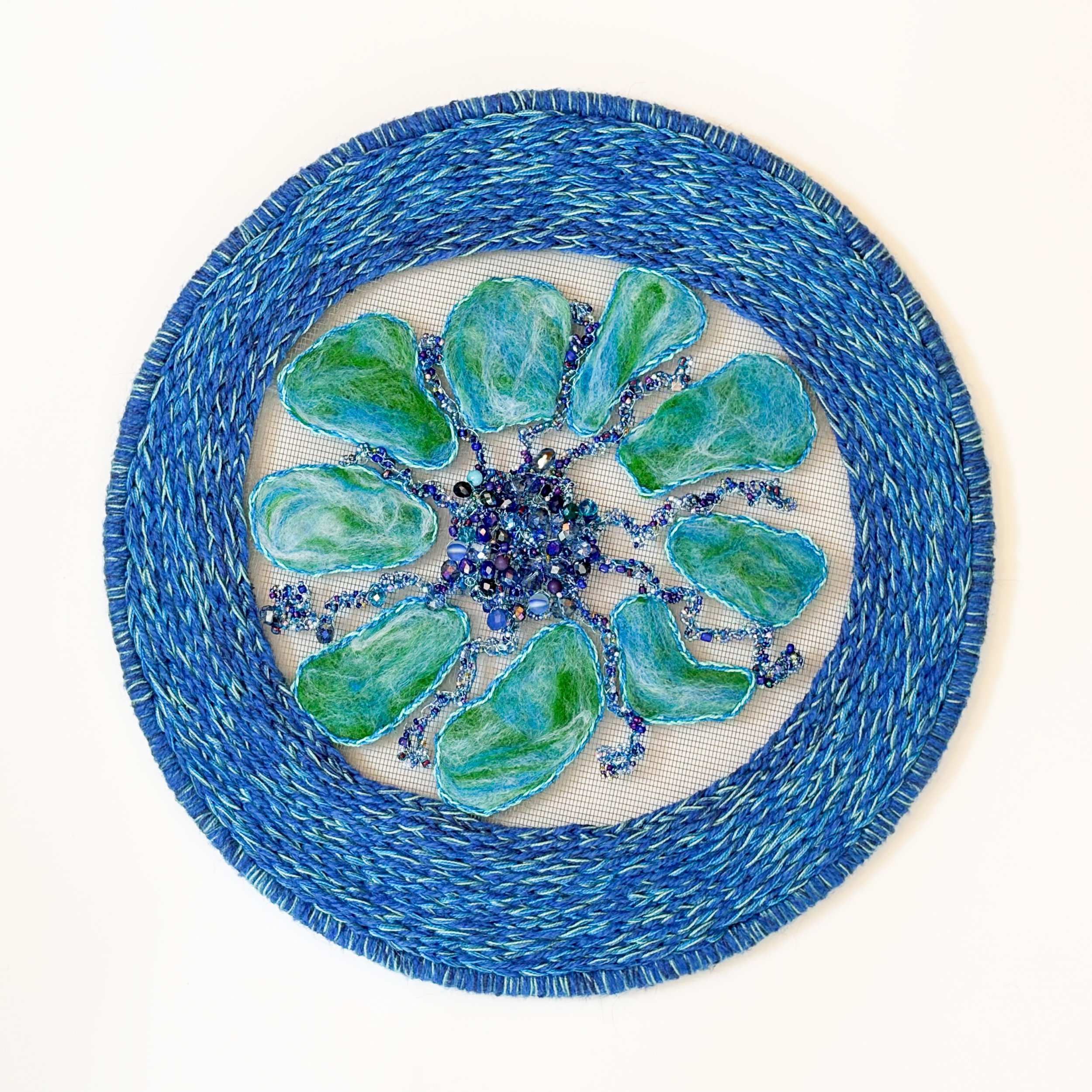
Semen Flagella – Cross Section
Reveals the organized microtubule structure that powers sperm movement. This internal arrangement allows the tail to whip rhythmically, propelling the sperm forward in its journey toward fertilization.
Reproductive Geneticist Patricia DeLeon PhD (1944) - A leader in reproductive genetics, she studies genes impacting sperm development and function, contributing significantly to the field of andrology which deals with male reproductive health.
She was educated at the University of West Indies to obtain a BS in chemistry and zoology. She received her PhD in microscopic anatomy in Canada before coming to the US as and academic and scientist.
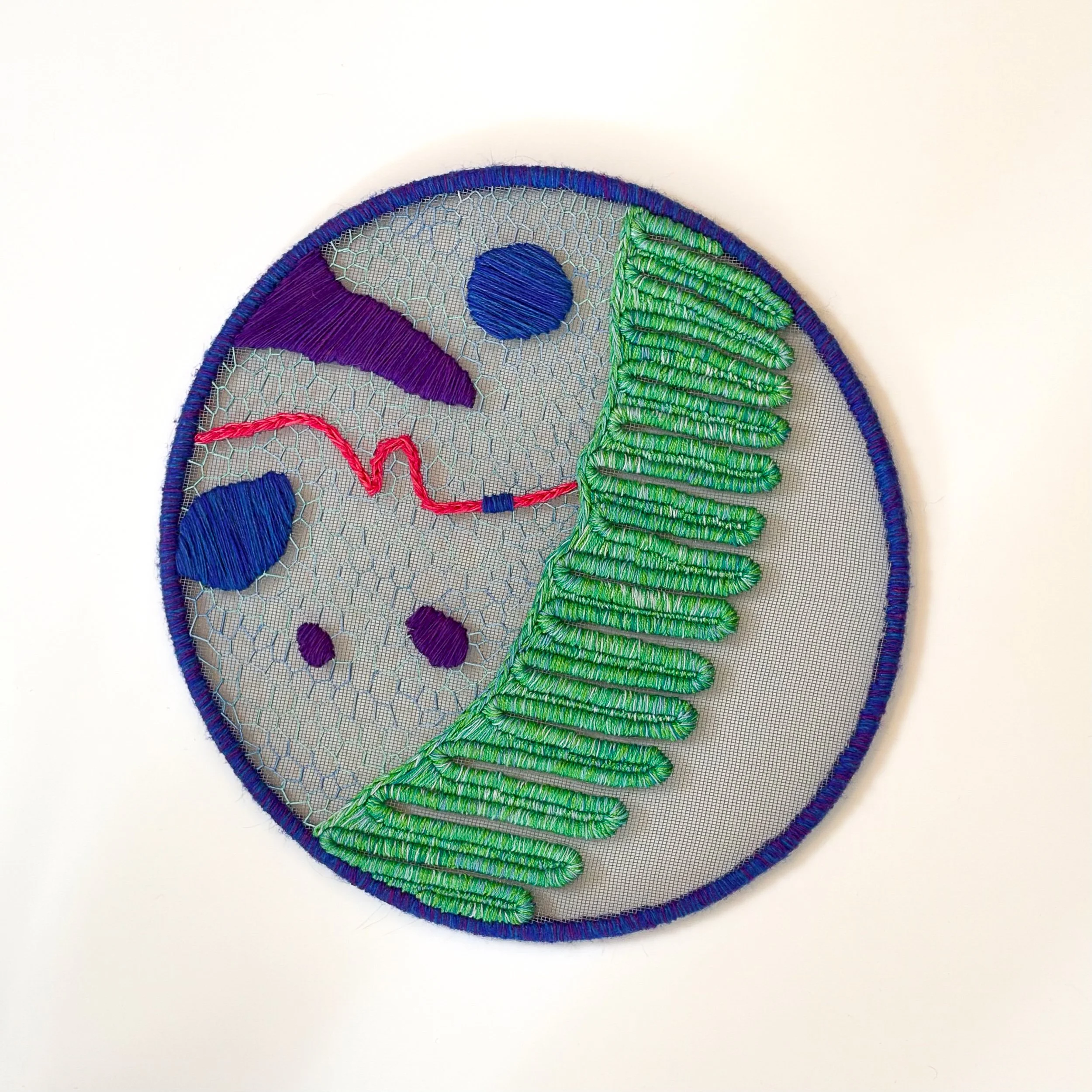
Small Intestine Villus
A tiny, finger-like projection lining the small intestine. Millions of villi increase surface area, allowing nutrients from digested food to be absorbed efficiently into the bloodstream. They turn what you eat into usable energy and building blocks.
Irene Miguel-Aliaga PhD -
Researched how the intestine undergoes remodeling during pregnancy, specifically how villi length and structure change to aid nutrient absorption.