Dangerous Beauty
Scientific Description & Woman Researcher
Each piece draws from a specific cell or biological process and highlights a woman who has studied its complex and disruptive nature. Like the cells that can both sustain and threaten life, these researchers often remain unseen. Their work confronts the fragile boundary between beauty and danger within the body.
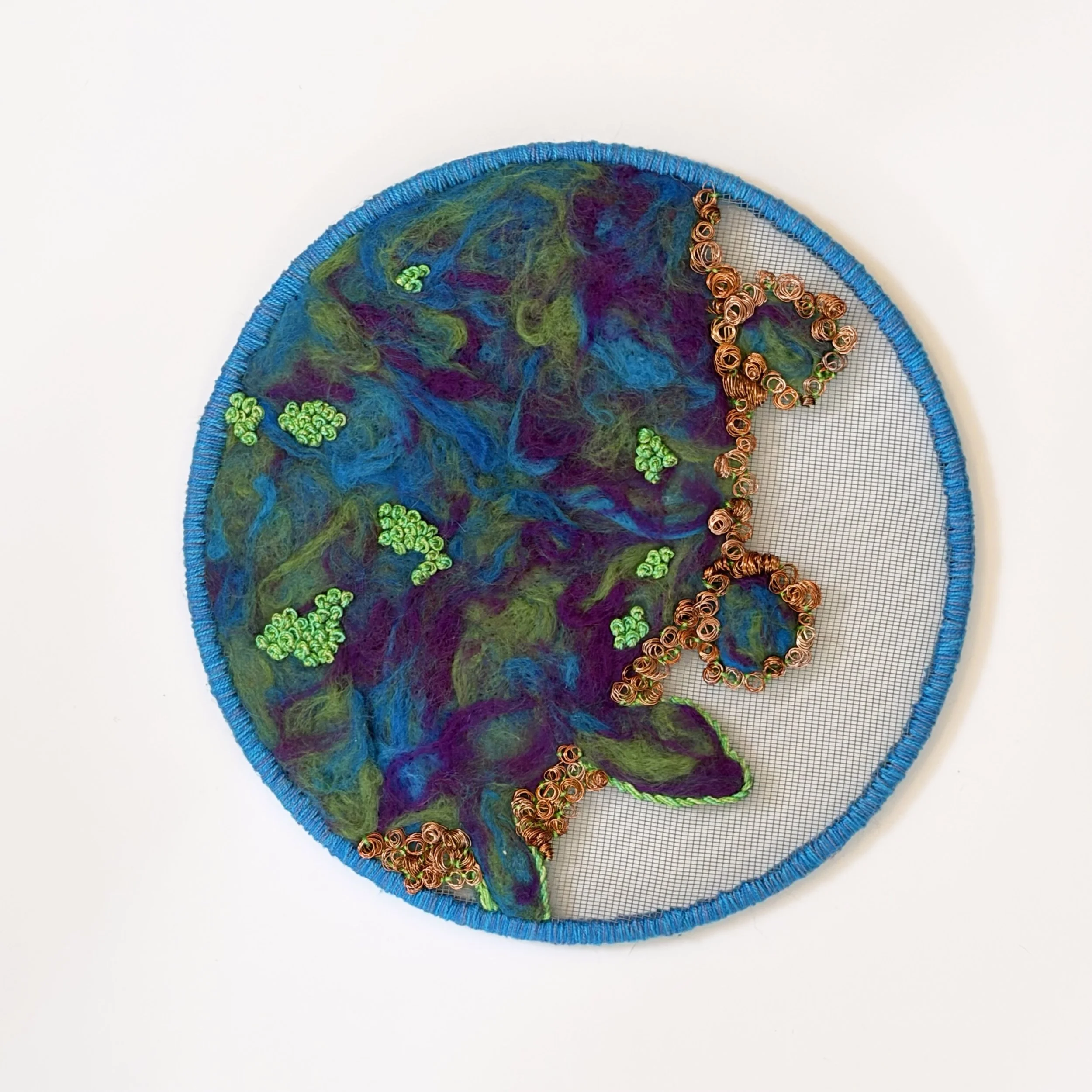
COVID
A respiratory illness caused by the SARS-CoV-2 virus. It spreads mainly through droplets in the air and can range from mild cold-like symptoms to serious lung complications. Vaccines and treatments have reduced severe outcomes, but the virus continues to evolve.
Virologist Angela Rasmussen PhD (1970) - Based on her previous work investigating the Ebola virus studied how SARS-CoV-2 interacts with the immune system, helping clarify why responses vary so widely between individuals.
Her early research work involved Ebola. She and her team infected a genetically diverse collection of mice. They observed a wide range of disease outcomes, ranging from complete resistance to severe hemorrhagic fever. They concluded that the genetic background of the mice affected the course of infection.
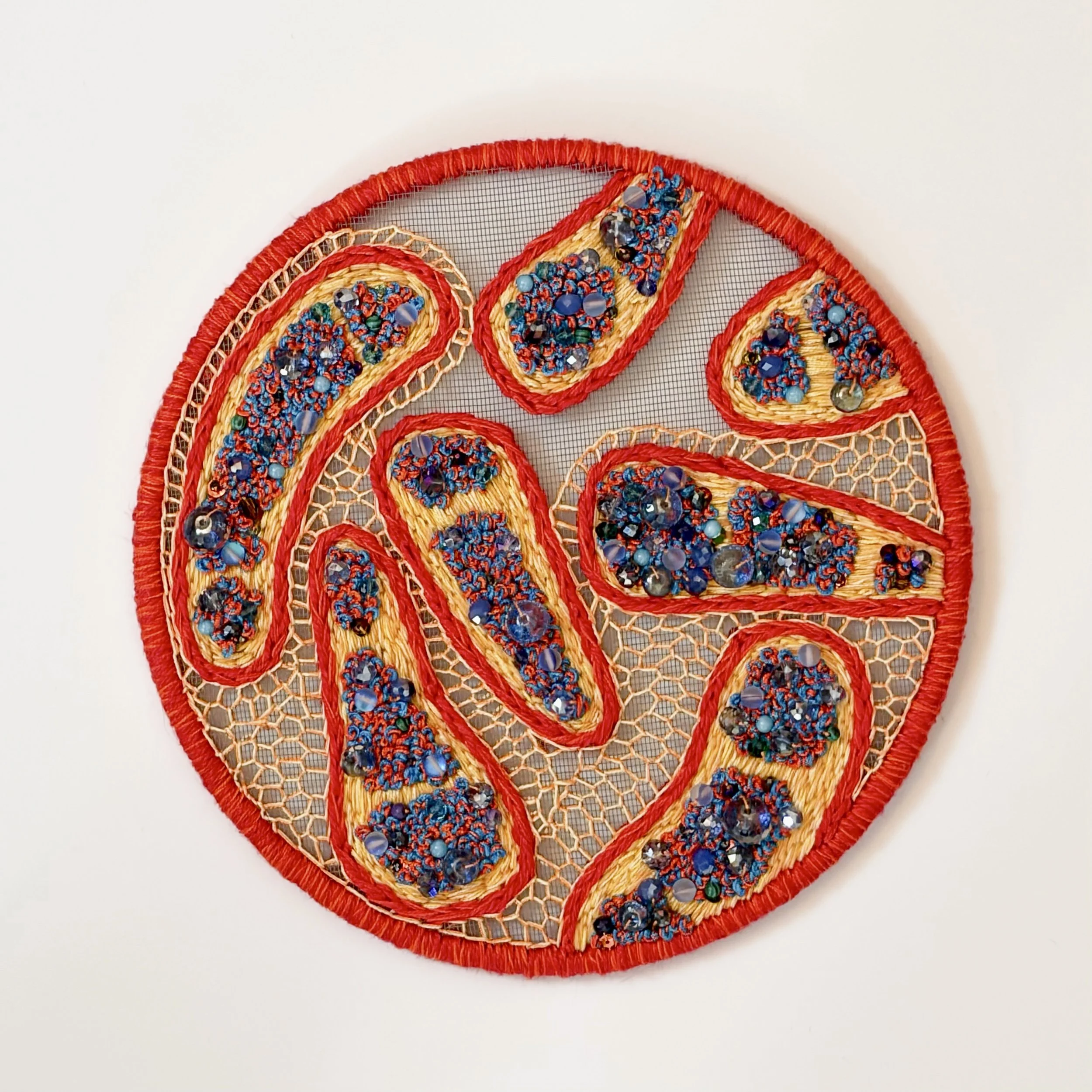
Diphtheria
A bacterial infection that affects the throat and airways. It can form a thick gray coating in the throat, making breathing difficult. Before vaccines, it was often deadly. Today, routine immunization has made it rare in many parts of the world.
Pathologist and Public-Health Physician Anna Wessels Williams MD (1863 1954) — Isolated the specific diphtheria strain in 1894, which was crucial for developing the antitoxin and vaccine, significantly advancing immunology and saving countless lives.
She developed a passion for science at a young age. When her sister nearly died in childbirth, it motivated her to quit teaching and pursue a career in medicine to prevent such outcomes. Her religiously devout mother initially objected but she won her support by saying she would be a missionary.
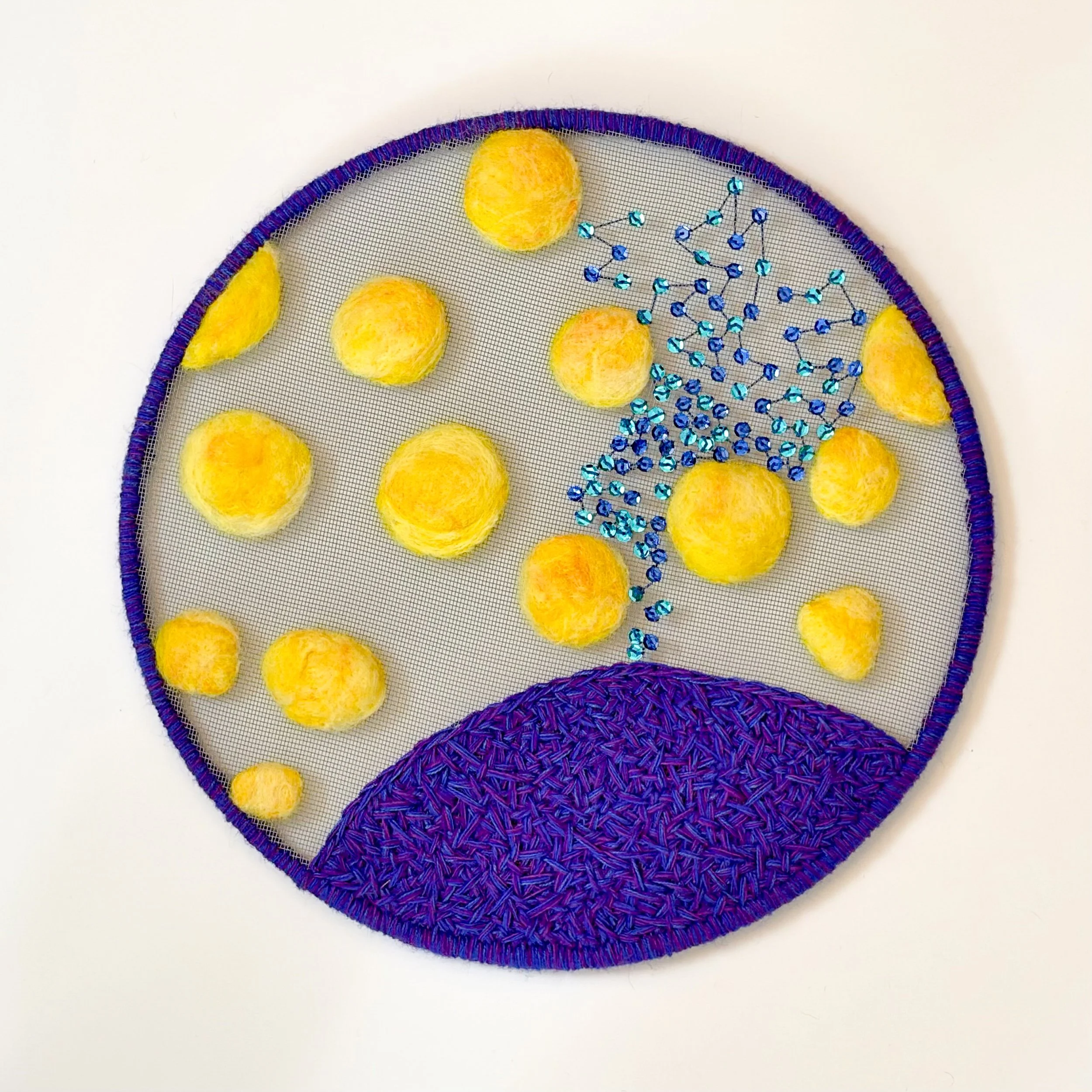
Fatty Liver
Happens when excess fat builds up inside liver cells. It’s often linked to obesity, diabetes, or heavy alcohol use, but can also occur without alcohol involvement. Early stages may have no symptoms, yet long-term buildup can lead to inflammation and liver damage.
Transplant Hematologist Monika Sarkar MD, MAS - Focused on women with liver disease, including pregnancy-related liver conditions and reproductive health. Her research focus is the role of sex hormones in modulating liver disease in women, especially young women with the hyperandrogenic condition known as Polycystic Ovarian Syndrome given their high risk for developing Non Alcoholic Fatty Liver Disease (NAFLD) and early onset liver scarring.
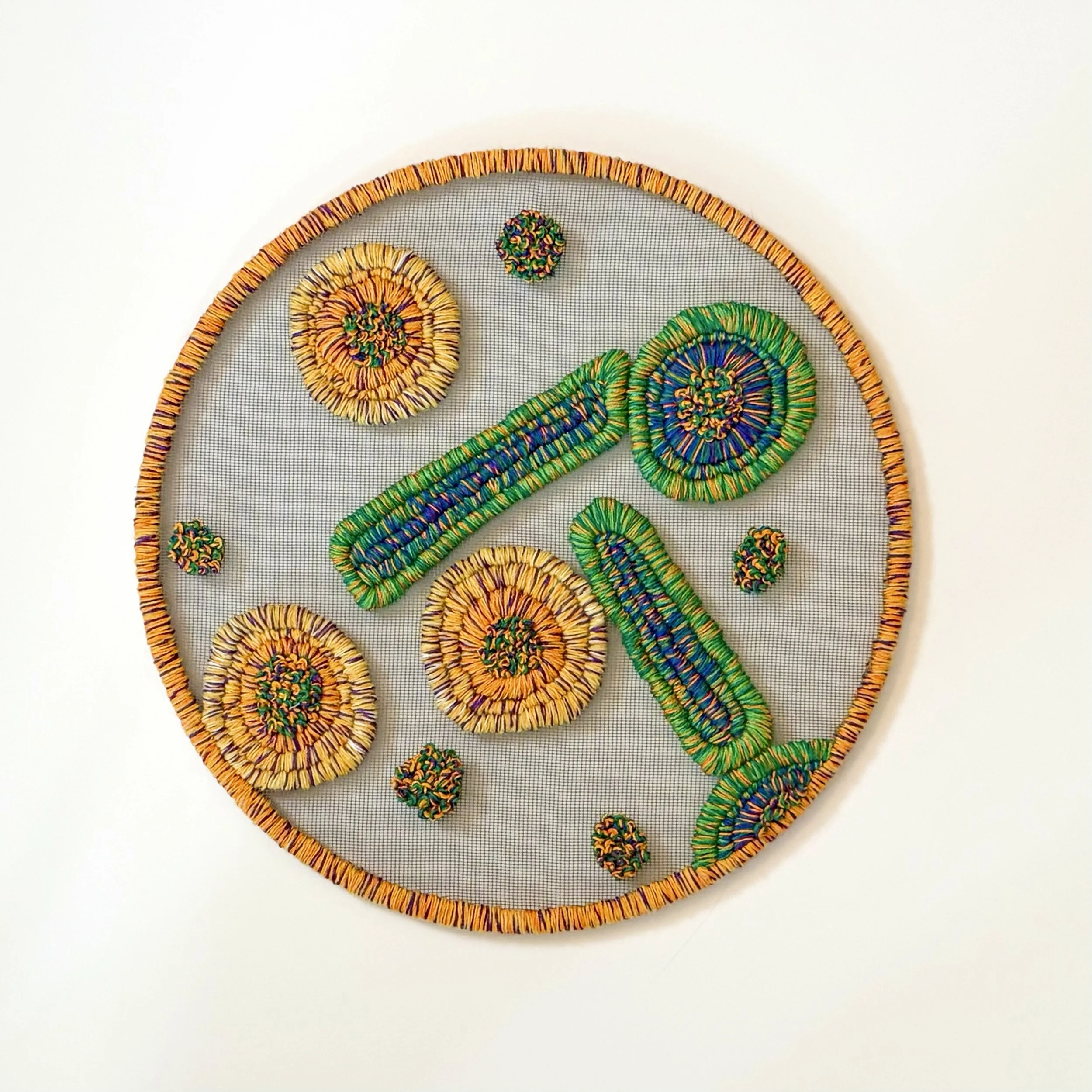
Hepatitis B
A viral infection that targets the liver. It spreads through blood or bodily fluids and can become chronic, increasing the risk of liver damage or cancer. Vaccination is highly effective and has dramatically reduced new infections worldwide.
Research Physician Joan P. Giles MD (1919 - 1973) - Her early work proved that there are two kinds of hepatitis, called A and B, and that immunity to one would not confer immunity to the other.
She was also noted for her research in infectious diseases, including studies indicating that it is possible to develop a vacine against serum hepatitis.
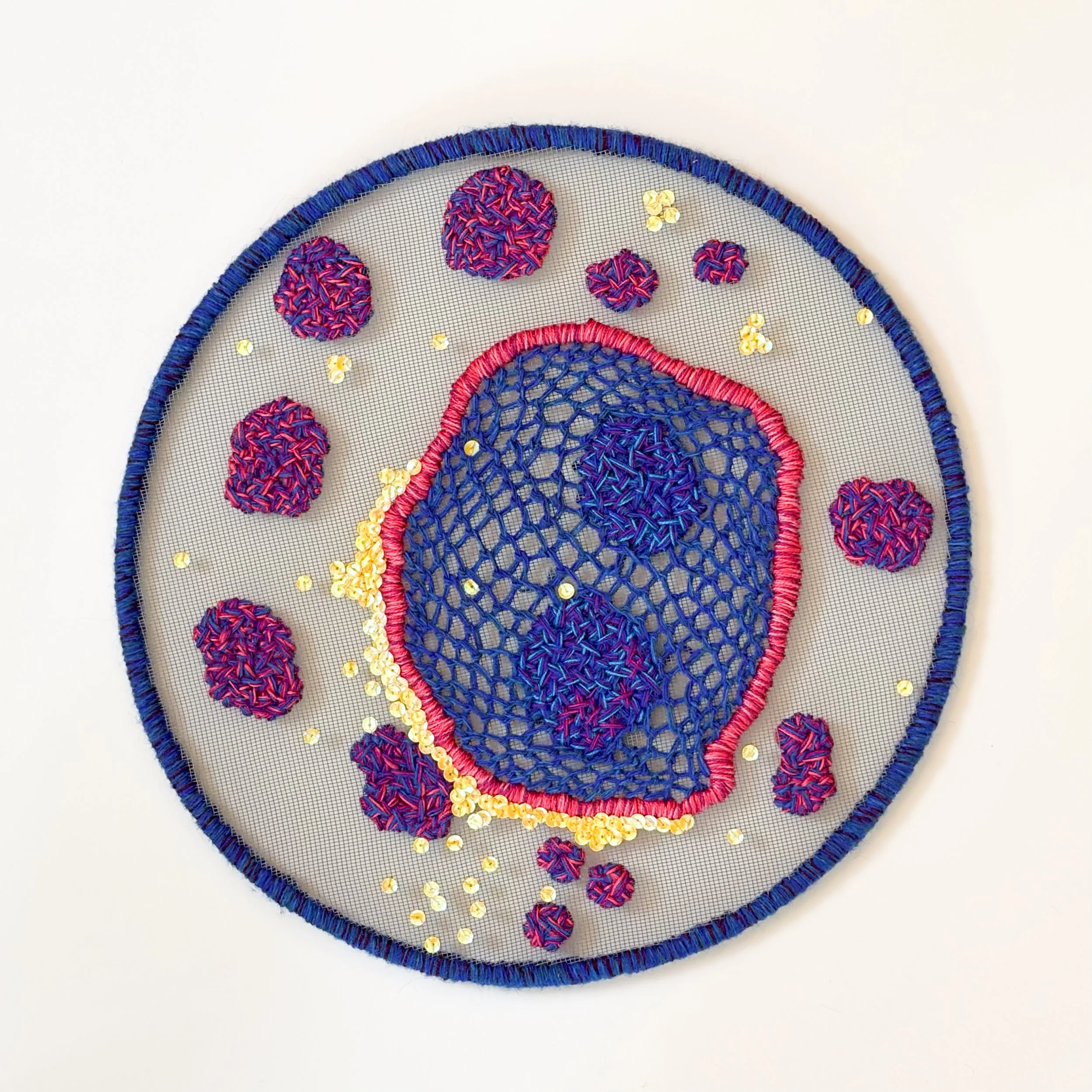
HIV
Human immunodeficiency virus, attacks the immune system—specifically CD4 T cells. Without treatment, it can progress to AIDS. Modern antiretroviral therapy allows people with HIV to live long, healthy lives and significantly reduces the risk of transmission.
Virologist Françoise Barré-Sinoussi (1947) - Co-discovered the virus in the early years of the AIDS crisis. Her work helped identify the biological cause of AIDS, enabling testing, treatment, and global research efforts. This discovery transformed fear and mystery into actionable knowledge, marking a turning point in epidemic response. She received the Nobel Prize in Physiology or Medicine together with her former mento Luc Montagnier for their discovery of HIV.
After two years of University study she found work at the Pasteur Institute. She began to only attend university to take exams relying on her friends' class notes. She actually scored higher on her exams than before because she finally motivation because realized a career in science was what she wanted to do.
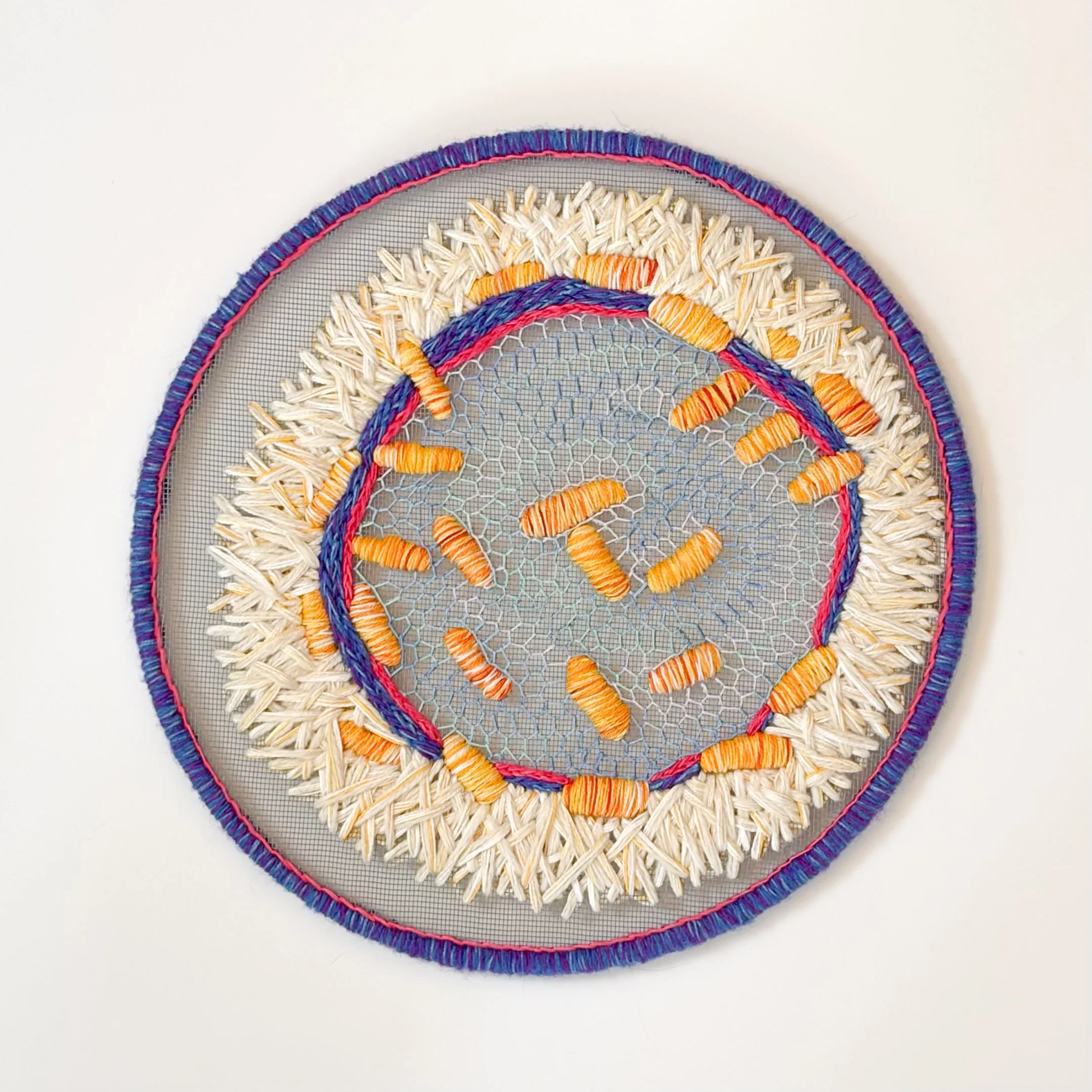
Leukemia
A cancer of blood-forming tissues, including the bone marrow. It leads to the overproduction of abnormal white blood cells, which crowd out healthy cells. Symptoms can include fatigue, infections, and bruising. Treatments vary depending on the type and stage.
Pharmacologist Gertrude Elion M Sc. (1918–1999) - Won the Nobel Prize in 1988, she developed the first effective drugs to treat leukemia.
Her fifteen financial aid applications for graduate school were turned down due to gender bias, so she enrolled in a secretarial school, where she attended only six weeks before she found a job. Unable to find a paying research job after graduating because she was a woman, Elion worked as a secretary and high school teacher before working in an unpaid position at a chemistry lab. Eventually, she saved up enough money to attend New York University and she earned her M.Sc. in 1941, while working as a high school teacher during the day.
After graduation she was unable to obtain a graduate research position she went to work as a Food Quality supervisor at A&P Supermarkets. In 1944 she finally got a job in a pharmaceutical lab. She pursued her PhD graduate studies at night school. But after several years of long-range commuting, she was informed that she would no longer be able to continue her doctorate on a part-time basis, but would need to give up her job and go to school full-time. Elion made a critical decision in her life, and stayed with her job and give up the pursuit of her doctorate.
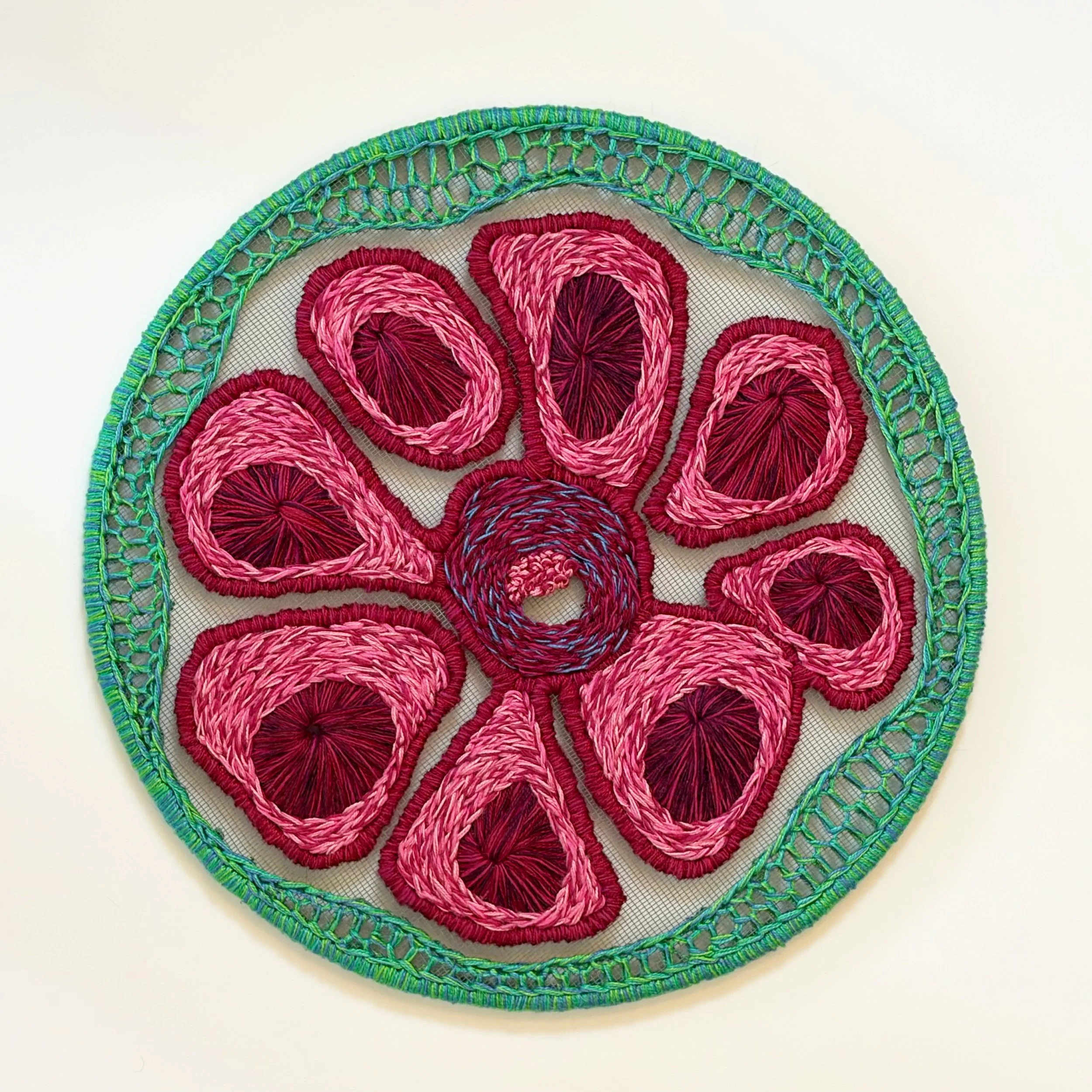
Malaria Cross Section
Red blood cells invaded by Plasmodium parasites. These parasites multiply inside the cells, eventually bursting them. Transmitted by mosquito bites, malaria causes cycles of fever, chills, and anemia, particularly in tropical regions.
Malariologist and Pharmaceutical Chemist Tu Youyou (1930) - She is the first mainland Chinese scientist to have received a Nobel Prize in a scientific category, and she did so without a doctorate, a medical degree, or training abroad
Turned to Chinese medical texts from the Zhou, Qing, and Han Dynasties to find a traditional cure for malaria, ultimately extracting a compound – artemisinin – that has saved millions of lives. When she isolated the ingredient she believed would work, she volunteered to be the first human subject.
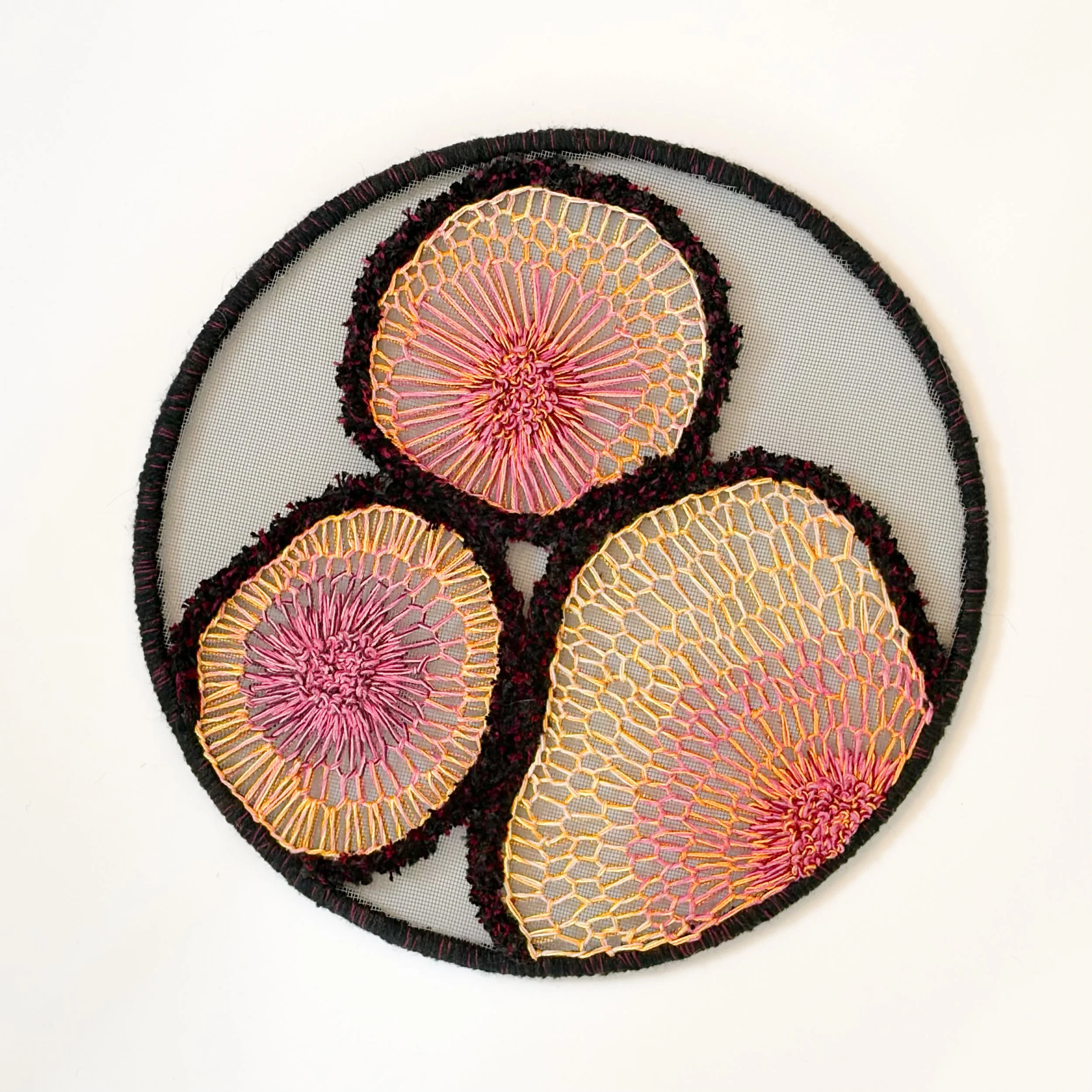
Measles
A highly contagious viral illness spread through the air. It causes fever, cough, red eyes, and a distinctive rash. Though preventable by vaccine, outbreaks still occur. Complications can include pneumonia or brain inflammation, especially in young children.
Pediatrician Yvonne Maldonado MD- Leading researcher at Stanford, focusing on measles vaccine efficacy in infants and forecasting measles trends.
She is the daughter of Mexican immigrants and was the first in her family to attend college.
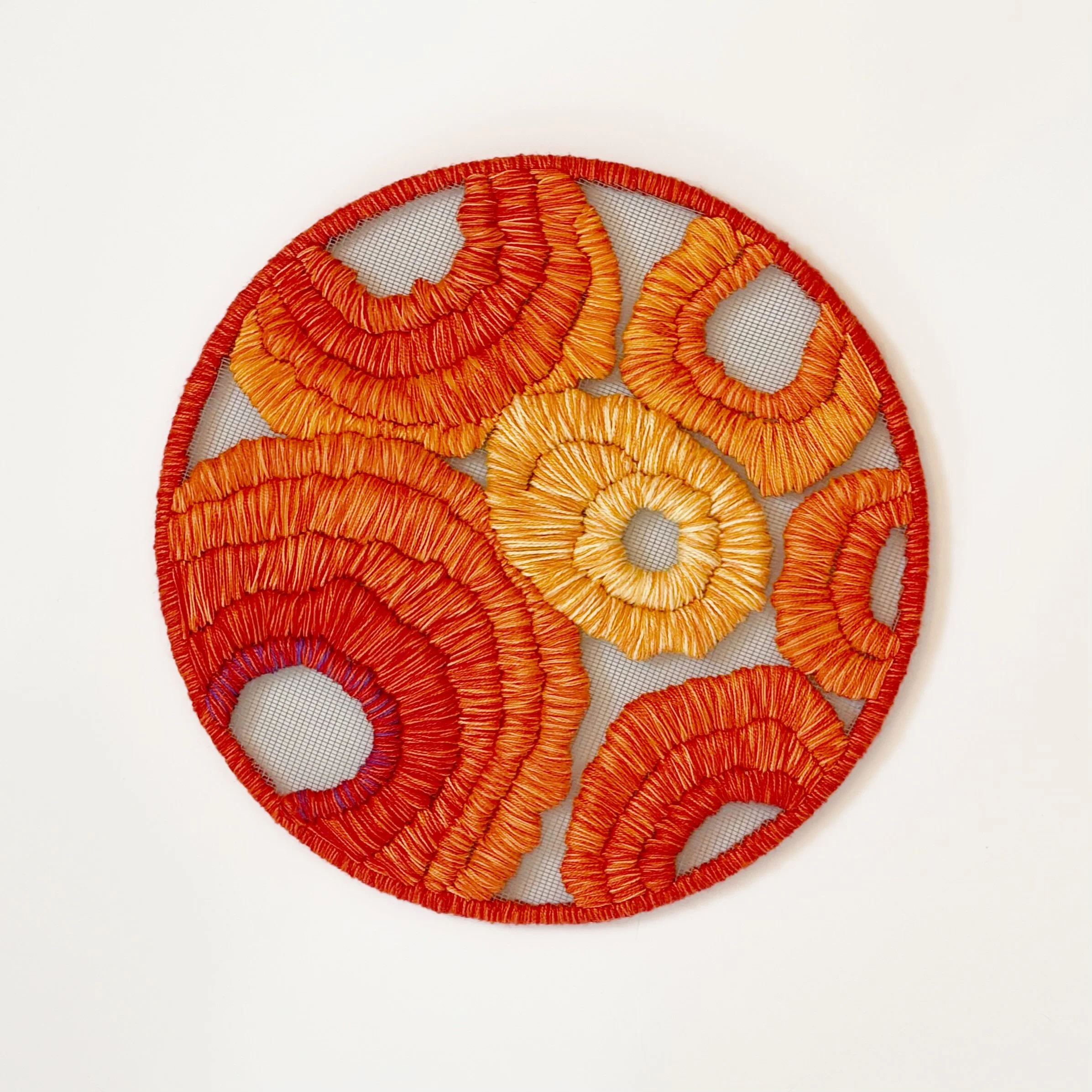
Meningioma
Typically a slow-growing tumor that forms in the membranes covering the brain and spinal cord. Most are noncancerous, but their location can still cause headaches, vision changes, or neurological symptoms if they press on nearby structures.
Epidemiologist Kathleen M. Egan PhD- A cancer epidemiologist at Moffitt Cancer Center. Her research interests center on molecular epidemiology and lifestyle-directed prevention of cancer. Dr. Egan recognized a significant knowledge gap in understanding glioma — one of the most devastating human tumors with a largely unknown cause. which suggests her decision to focus on brain tumors was driven by the very lack of answers in the field.
She has written 346 research works with 16558 citations on the reproductive and lifestyle factors affecting meningioma risk in women.
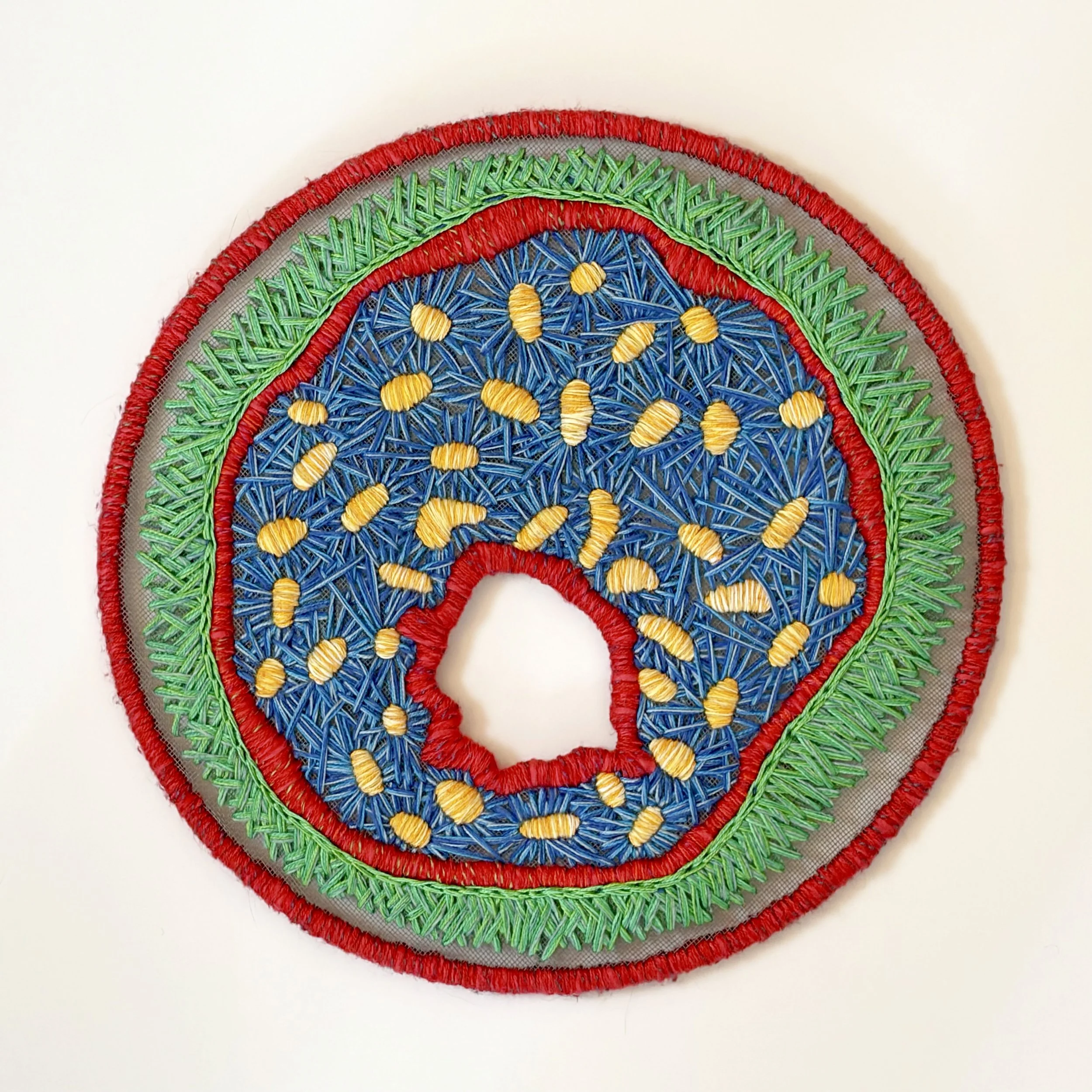
Mumps
A viral infection best known for causing swollen salivary glands, giving the cheeks a puffy appearance. It spreads through saliva and respiratory droplets. Vaccination has made it far less common, but outbreaks can still occur in under-vaccinated communities.
Physician Martha Wollstein, M.D (1868 - 1939) - Definitively showed mumps was caused by a virus, not bacteria, by developing animal models for her studies, a significant early contribution to virology.
She was born to German Jewish immigrant parents who encouraged her education. Wollstein received her M.D. in 1889. in 1891 was appointed its pathologist—a unique position for a woman of that time because it allowed her to practice the full scope of pathology, including patient care, bench research, and autopsies.

Pulmonary Alveolar Proteinosis
A rare lung condition where protein-rich material builds up inside the alveoli—the tiny air sacs responsible for oxygen exchange. This buildup makes breathing difficult. Treatment often involves washing out the lungs to restore clearer airflow.
Researcher Joanna Floros PhD - Credited with being the first to clone and characterize the copy DNAs of, or genetic instructions for producing, human surfactant protein, and study their molecular complexity. Surfactant proteins are critical for lung function. She also explored how genetic variations of the surfactant proteins related to lung disease risk.
She was born in Greece in the early 1950s. Although her parents were poor and had no formal education, they encouraged her in her studies. She was an orphan by the time she graduated high school, which led her to go pursue her undergraduate studies in Boston, where her brother and his family lived.
She developed an interest in science during her undergraduate education that stemmed from losing her two parents to prolonged illness early in her life. “I had fantasized about becoming a medical doctor, but after some experiences in my undergraduate years, I realized that I empathized too much with the pain and suffering of the patients I encountered through a work study experience,” she recalled. “Research was the best thing for me.
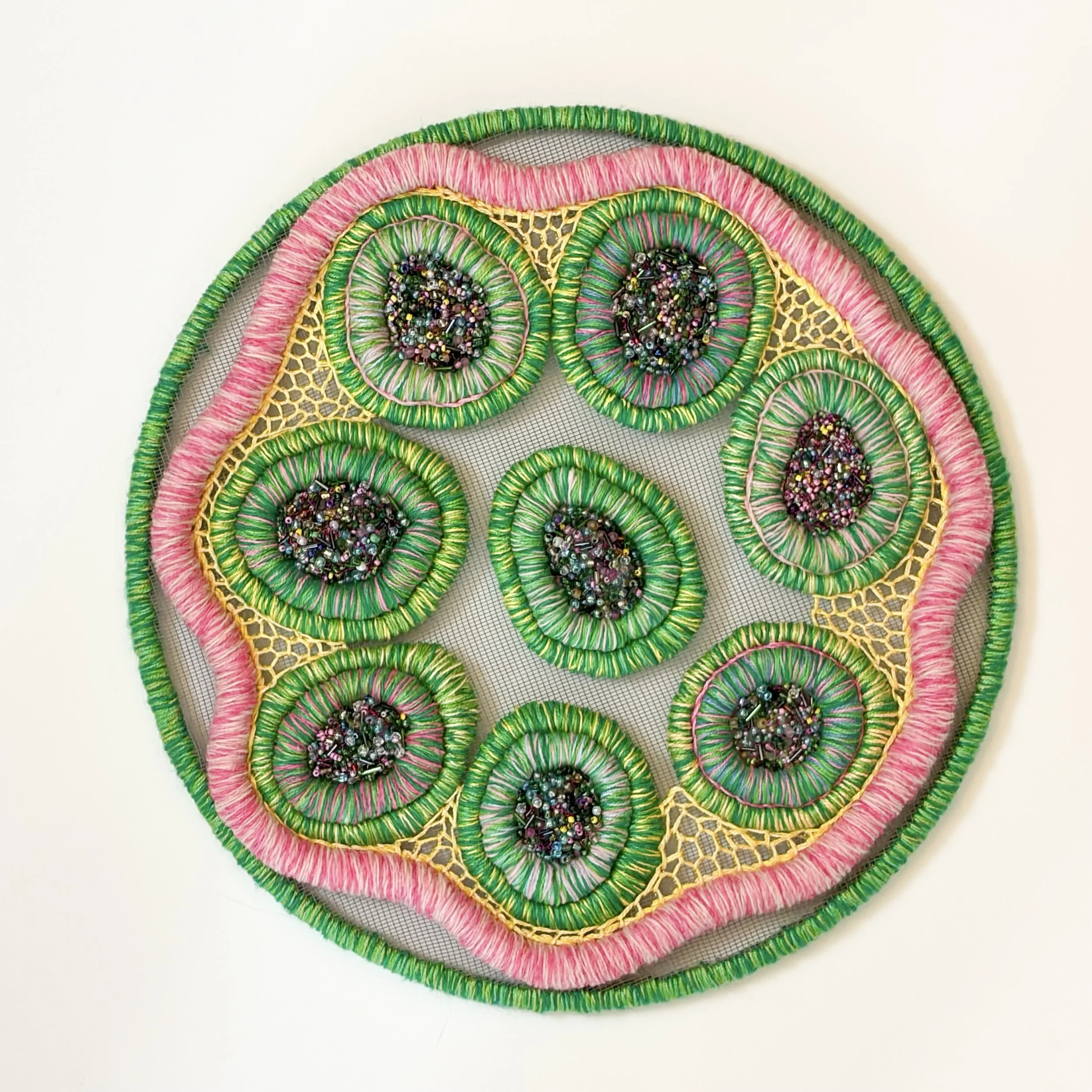
Rabies Cross Section
A viral disease transmitted through animal bites. Once symptoms appear—confusion, agitation, paralysis—it is almost always fatal without early treatment.
Bacteriologist Anna Wessels Williams MD (1863 - 1954) - At the New York City Department of Health, she created a mass-producible rabies vaccine and a rapid diagnostic test in the late 1890s, significantly advancing rabies control in the U.S.
She spent her career in research rather than clinical practice. She contributed to the development of vaccines, treatments and diagnostic tests for many diseases, including diphtheria, rabies, scarlet fever, smallpox, influenza, and meningitis.
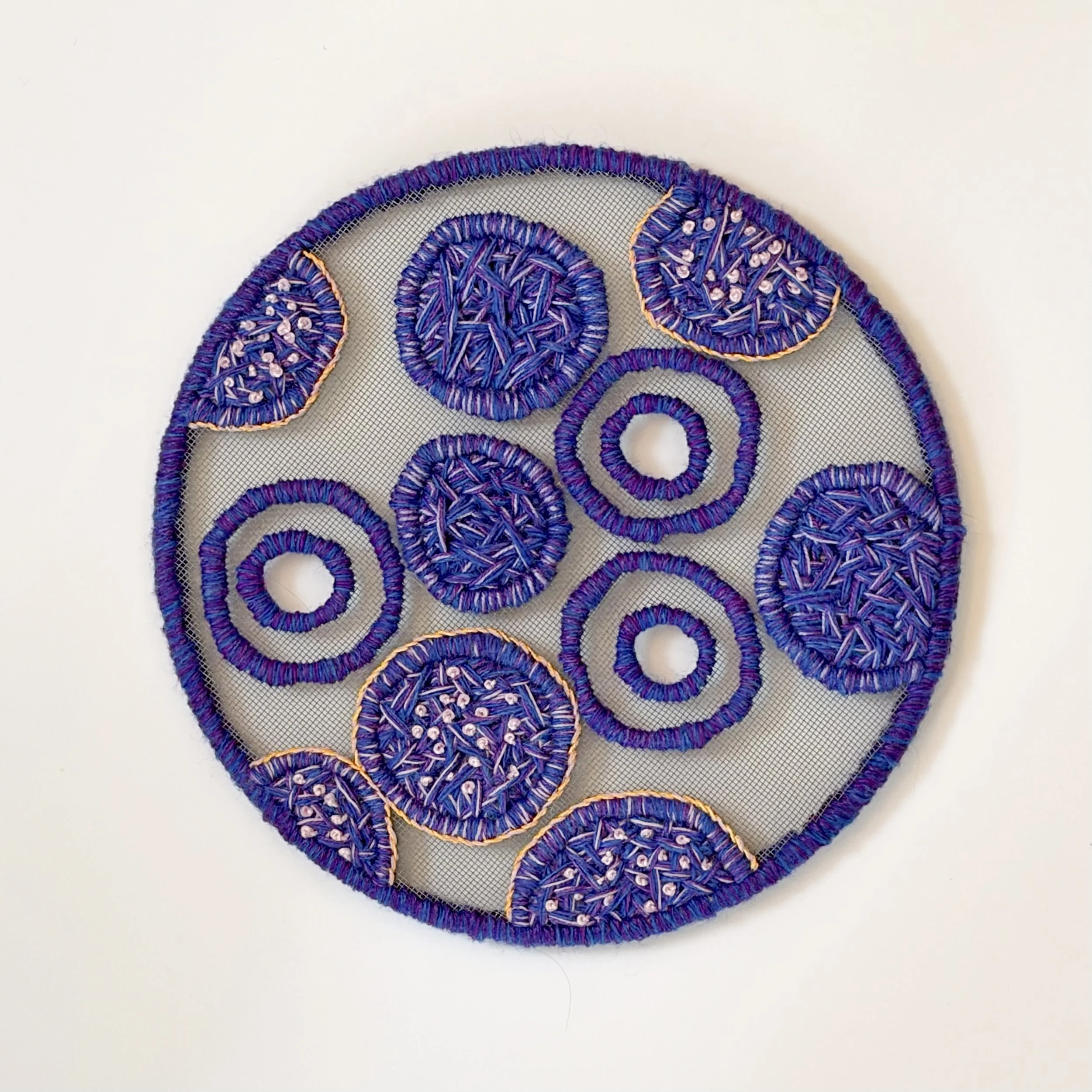
Rotavirus
A highly contagious virus that causes severe diarrhea and vomiting, mainly in infants and young children. Dehydration can occur quickly. Vaccines have significantly reduced hospitalizations and deaths, especially in countries where routine immunization is widespread.
Virologist Ruth Bishop (1933 - 2022) - Pediatric researcher helped identify the virus, enabling vaccine development. Her work transformed childhood survival worldwide, showing how identifying a single microscopic agent can alter global health outcomes.
She built a career around child health problems that were killing kids globally; used emerging lab tools (like electron microscopy) to identify what was making infants so sick.
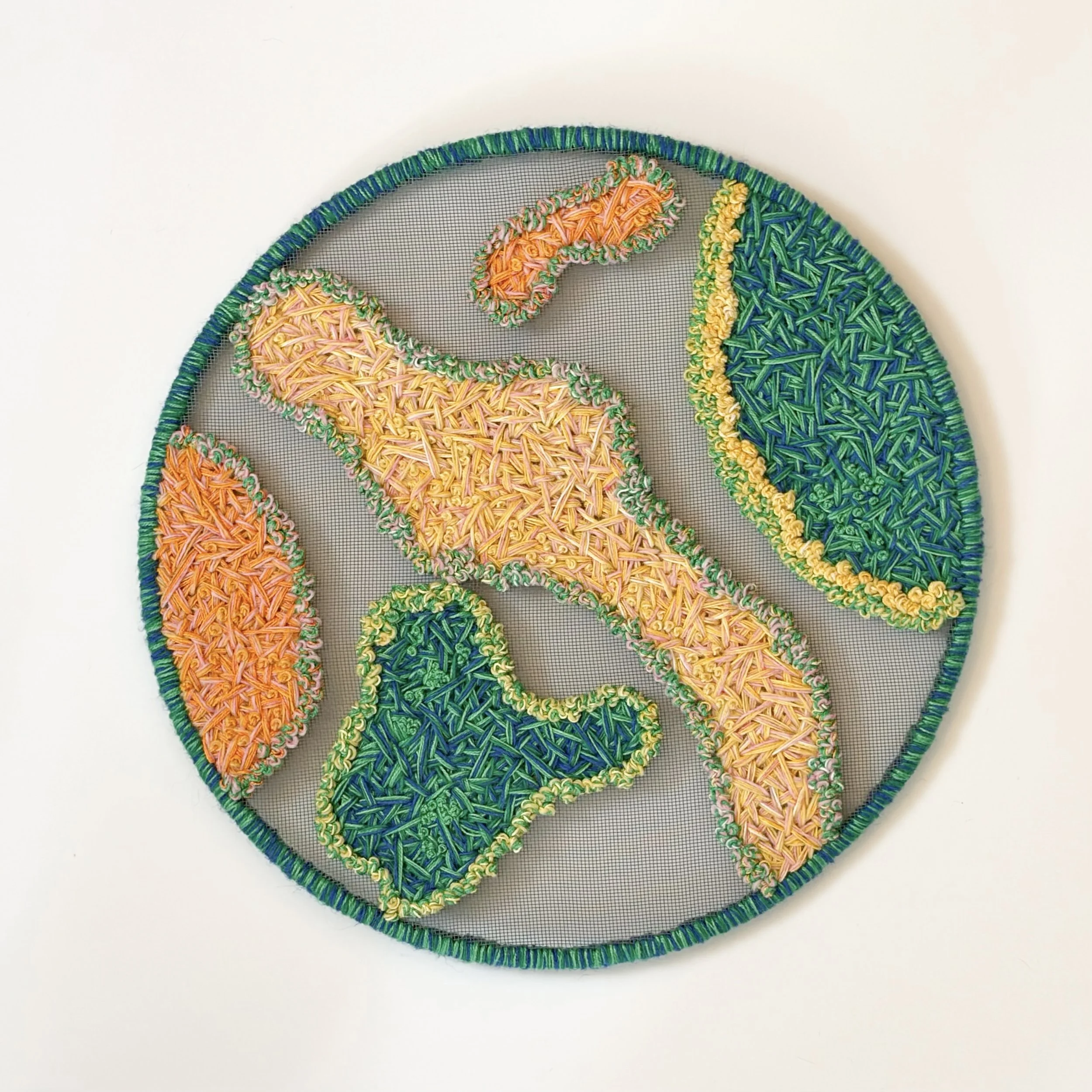
RSV
Respiratory syncytial virus, commonly infects young children and older adults. It causes cold-like symptoms but can lead to serious lung infections such as bronchiolitis or pneumonia in vulnerable groups. It spreads easily through respiratory droplets and surfaces.
Dr. Caroline "Caren" Breese Hall, MD (1939–2012) - Dr. Hall whose research clarified the true importance of RSV as a cause of serious illness and death in infants, and she went on to shed light on patterns of transmission and develop a practical, rapid means of identifying the virus.
She was described as having incredible energy and warmth alongside a formidable intellect. A colleague recalled: "I always figured she just never slept — I can't keep up with this lady.” Visiting doctors would find in their hotel room muffins she baked and fruit from her trees.
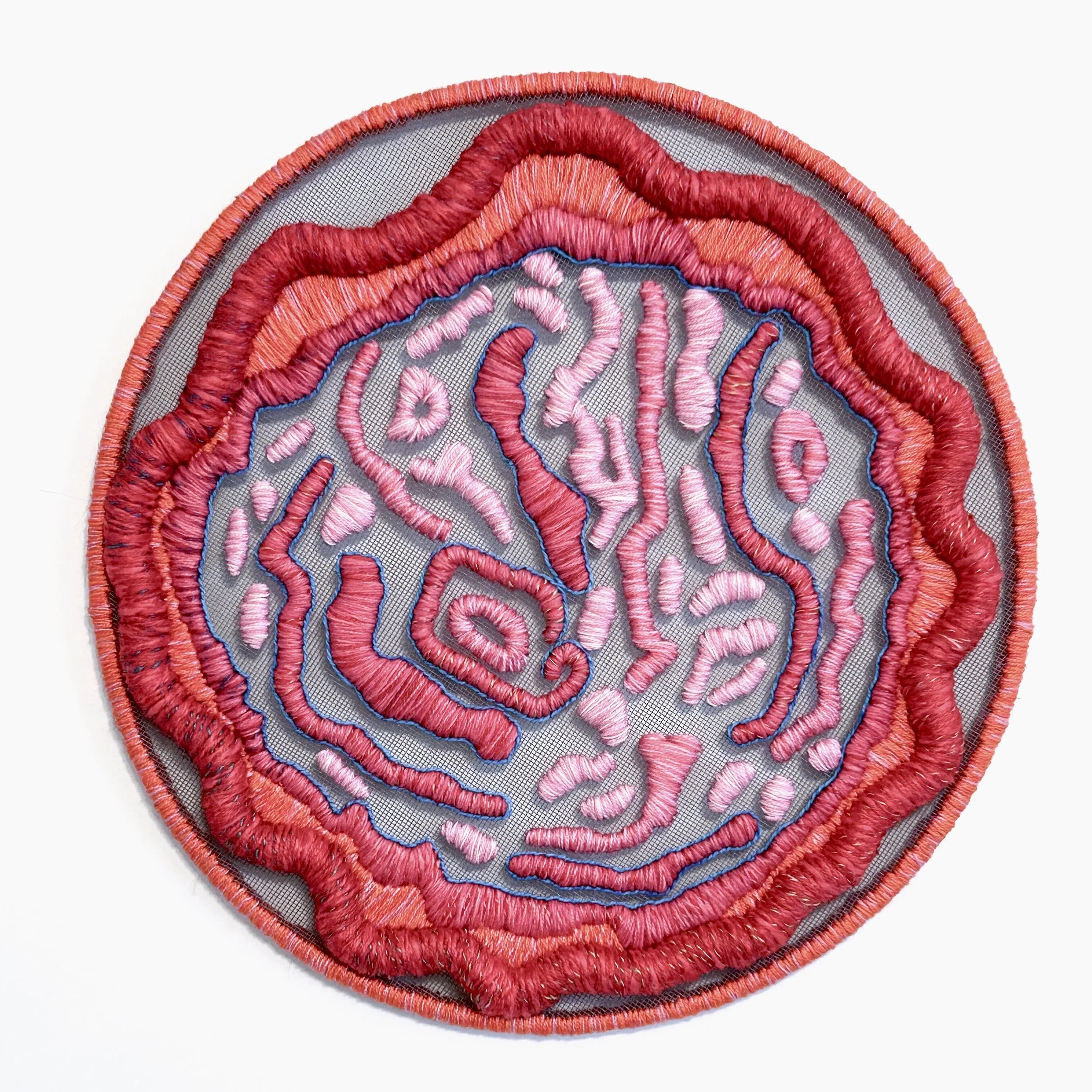
Rubella
Sometimes called German measles, is usually mild in children and adults. However, infection during pregnancy can cause serious birth defects. Vaccination has greatly reduced cases in many countries, protecting both individuals and developing babies.
Dr. Ruth Kirschstein MD (1926-2009)- Breaking Barriers in Vaccine Safety - she dedicated her career to ensuring vaccine safety, developing crucial tests for polio, measles, and rubella vaccines that protected millions of Americans.
Growing up with a chemist father and a chronically ill mother sparked her early interest in medicine. Despite facing gender discrimination—some medical schools explicitly rejected women—she persevered, graduating from Tulane in 1951 when only 10 of 110 students were female. At NIH's Division of Biologics Standards, her work on rubella vaccine safety helped bring the devastating 1964 epidemic under control. She became the first woman to direct an NIH institute and twice served as acting NIH director, championing diversity in science while advancing public health.
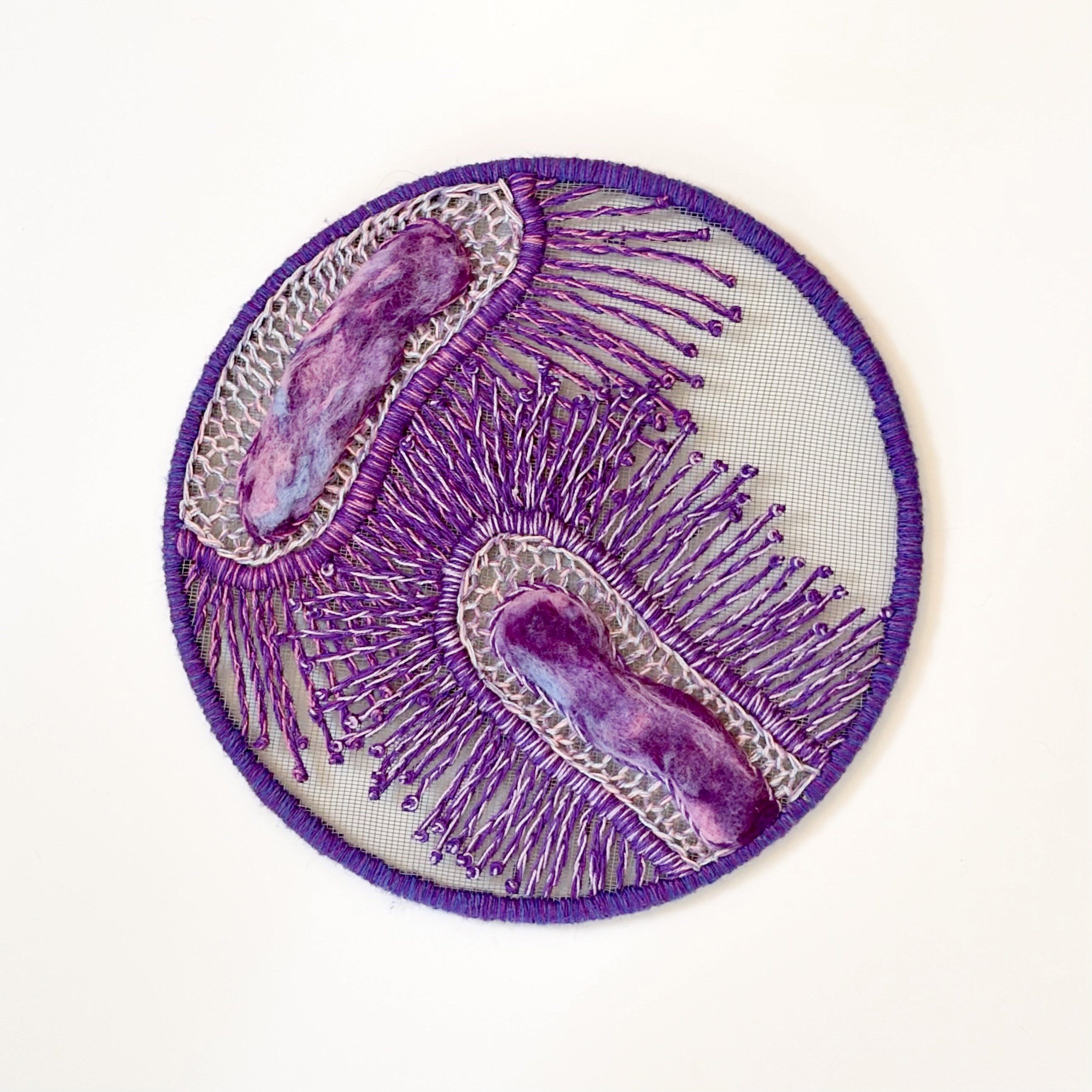
Smallpox
Was a severe viral disease marked by fever and a distinctive pustular rash. It had a high death rate and left survivors with scarring. A global vaccination effort led to its eradication in 1980—the first human disease eliminated worldwide.
Lady Mary Wortley Montagu (1689-1762) - A British aristocrat who observed smallpox inoculation in Turkey, had her own children inoculated, and fiercely advocated for the practice in England during the 1720s, saving countless lives and influencing Jenner's work.
Lady Mary was a bright, free-spirited child who dreamed of greatness. Overall, the pursuit of achieving the impossible became a recurring pattern throughout her life. However, misfortune occurred – her mother, who she thought would have supported her aspirations, died. Then her paternal grandmother, Elizabeth Pierrepont, raised Mary and her siblings until she died when Mary was eight years old. After Mrs Pierrepont's death, Mary was passed to the care of her father, who did not believe he was obliged to assist with her education
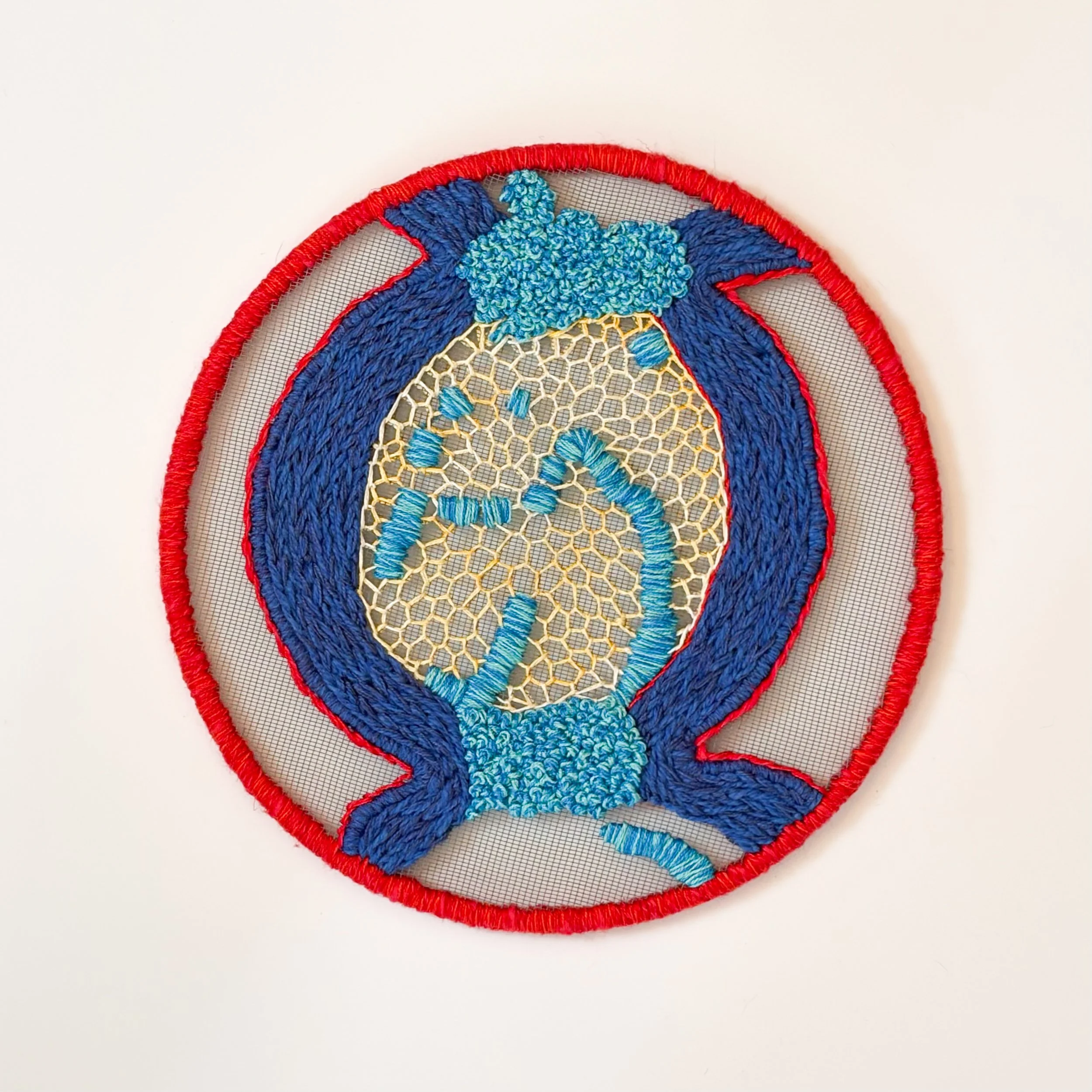
Streptococcus Pyogenes
A bacterium that causes strep throat and skin infections like impetigo. In rare cases, it can lead to serious illnesses such as rheumatic fever or necrotizing fasciitis. It spreads through respiratory droplets and close contact.
Microbiologist Rebecca Lancefield (1895 - 1981) - Developed a Lancefield classification system still used today. Her work made bacterial identity legible, allowing clinicians to predict severity and guide treatment—showing how naming and structure create control.
She was meticulous microbiologist/immunologist who stuck with one “mystery” organism for decades. She connected S. pyogenes (Group A) to diseases such as pharyngitis (strep throat), scarlet fever, rheumatic fever, and nephritis (kidney disease).
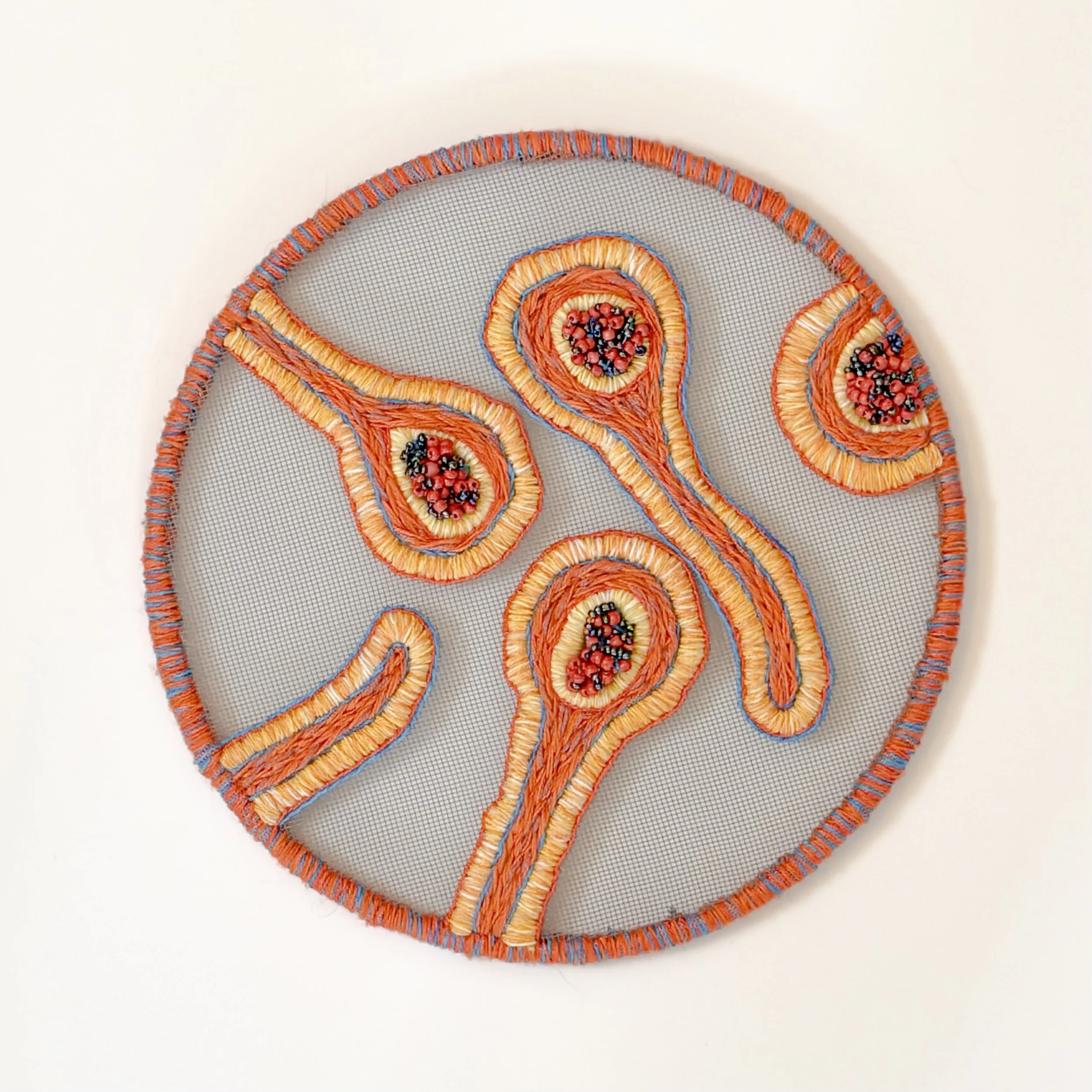
Tetanus
Bacteria found in soil that enter through wounds. The bacteria produce a toxin that affects nerves, leading to painful muscle stiffness and spasms. Vaccination is highly effective and part of routine immunization schedules.
Bacteriologist Ida A. Bengston (1881-1952) - She helped trace tetanus outbreaks to vaccine scarifiers and worked on vaccines.
Following graduation, Bengtson began working at the U.S. Geological Survey Library. Finding the job to be of low interest to her she spoke to a close friend who encouraged her to go back to school. In 1911", she entered the University of Chicago to study bacteriology and biochemistry. Became the first woman hired to work in the NIH